A BLAKE NEW WORLD: The place of Sense Perception and Imagination in William Blake and Aldous Huxley

Aldous Huxley and the Doors of Perceiving
Screen Shot 2021-05-10 at 10.39.26

Introduction: Opening the Flower of Mescaline

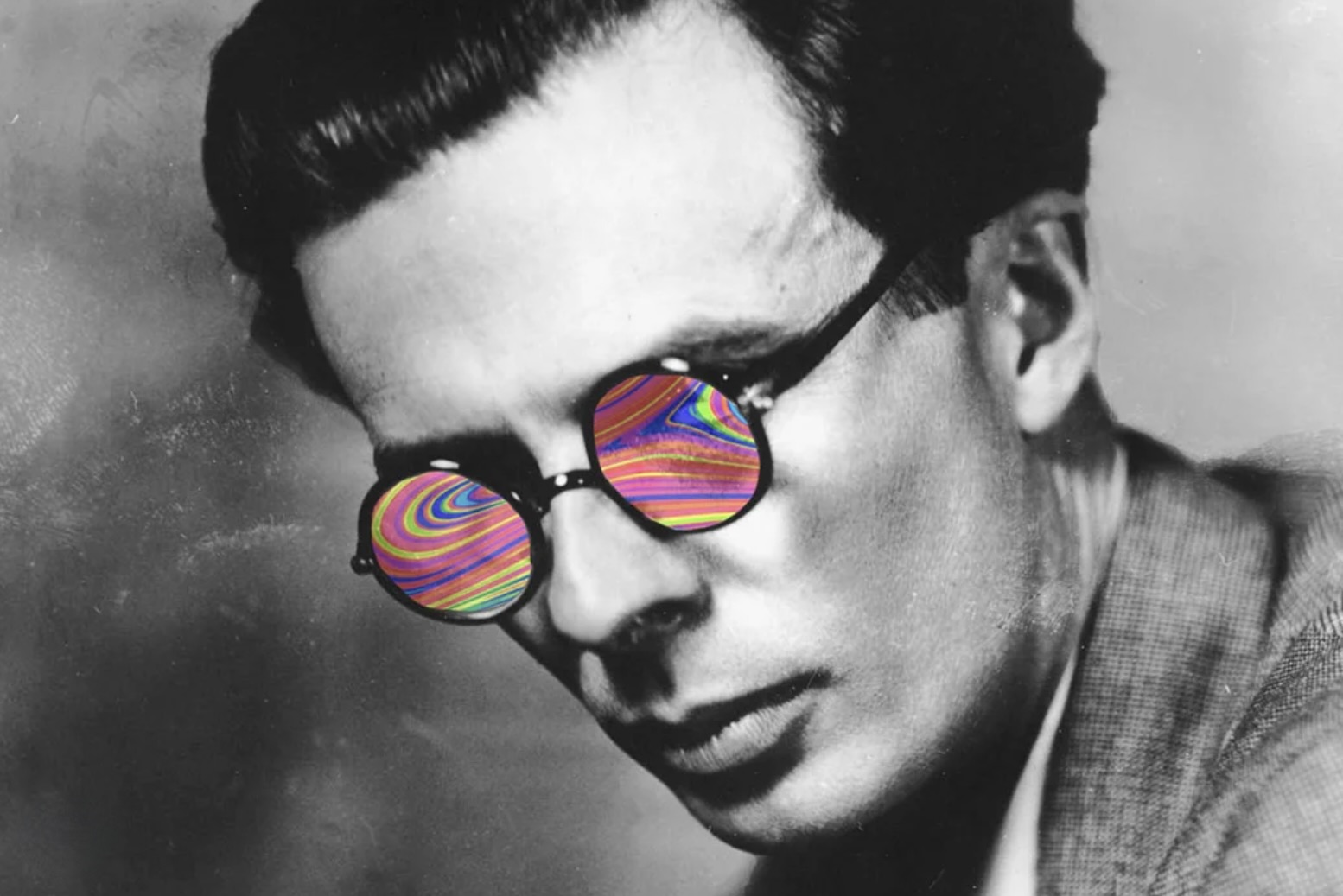
His interest piqued by psychological research on the drug, in 1953 Aldous Huxley swallowed four-tenths of a gram of mescaline with the hope that his experience would lead to a better understanding of the mind’s role in human perception.

Mescaline is a relatively innocuous hallucinogen found in several species of cacti, the most well-known being Peyote, a small plant that many of the native peoples of the American Southwest and Mexico respect as a divine gift. Western science has approached the drug’s effects more pragmatically, studying the chemical and psychological changes that accompany mescaline intoxication, but for the more personally-driven experimenter it has not lost its philosophical allure.
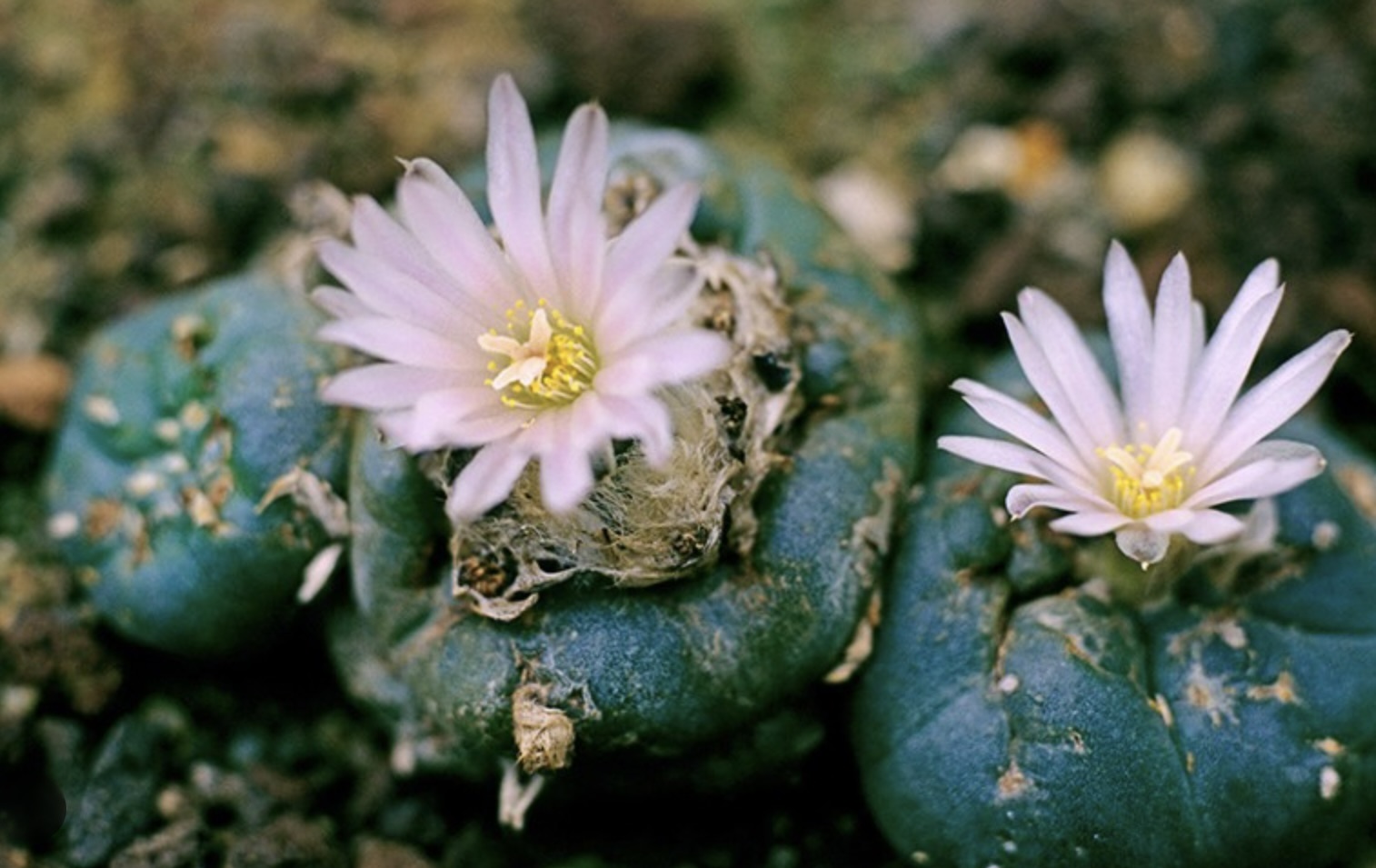
Heaven in a wild flower: Mescaline is a naturally occurring psychedelic that comes from the Mexican peyote cactus (Lophohora williamsii)
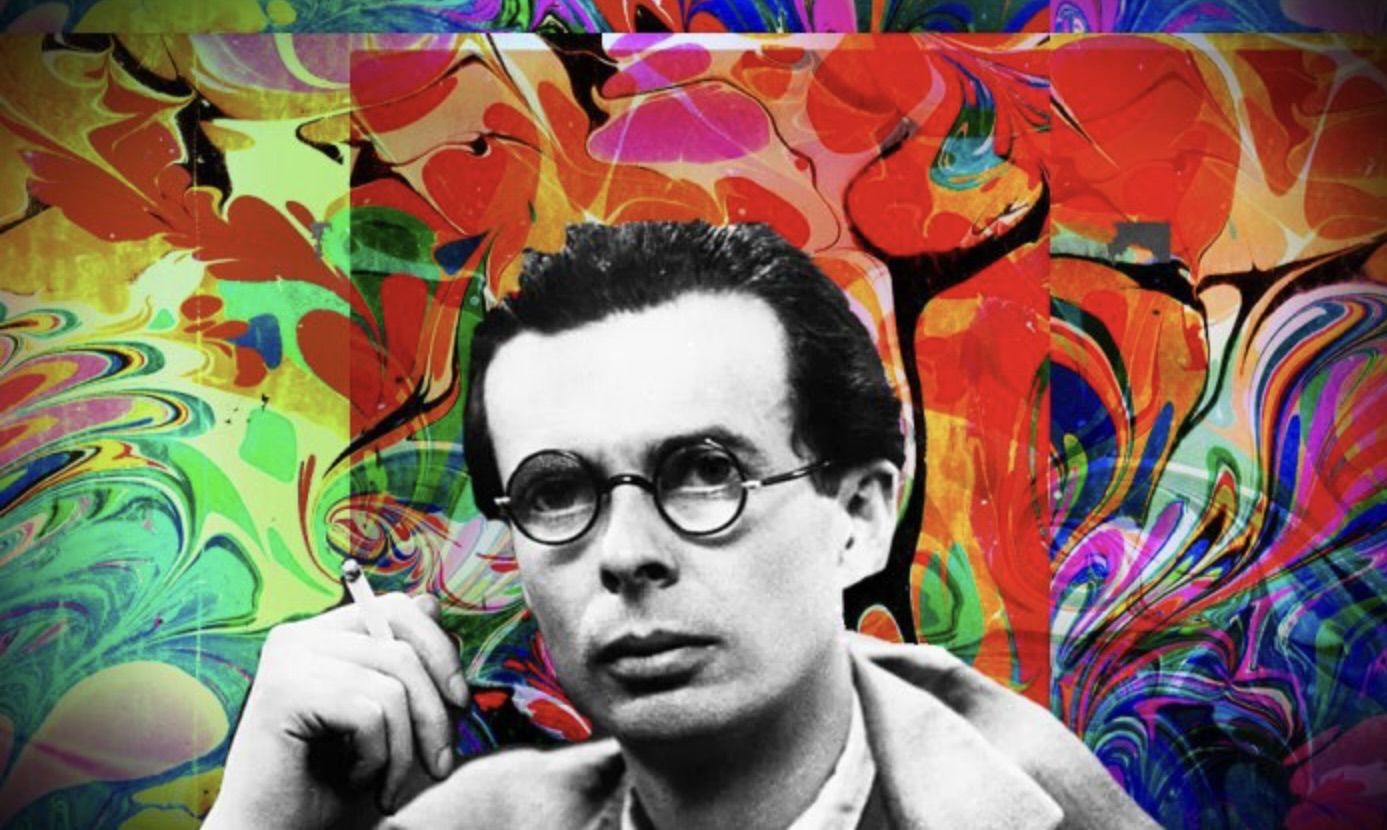
“This is how one ought to see, how things really are” – Aldous Huxley

Screen Shot 2021-05-10 at 10.39.26

Huxley approached his experiment conscious of both the scientific and philosophical issues surrounding the alteration of consciousness, and recorded his analysis of the experience in two short books, The Doors of Perception and Heaven and Hell. A discerning glance at the titles of these two works suggests a direct relationship with Blake’s The Marriage of Heaven and Hell, but the degree to which Blakean concepts actually form the foundation for Huxley’s reflections has not yet been thoroughly examined.
Read More

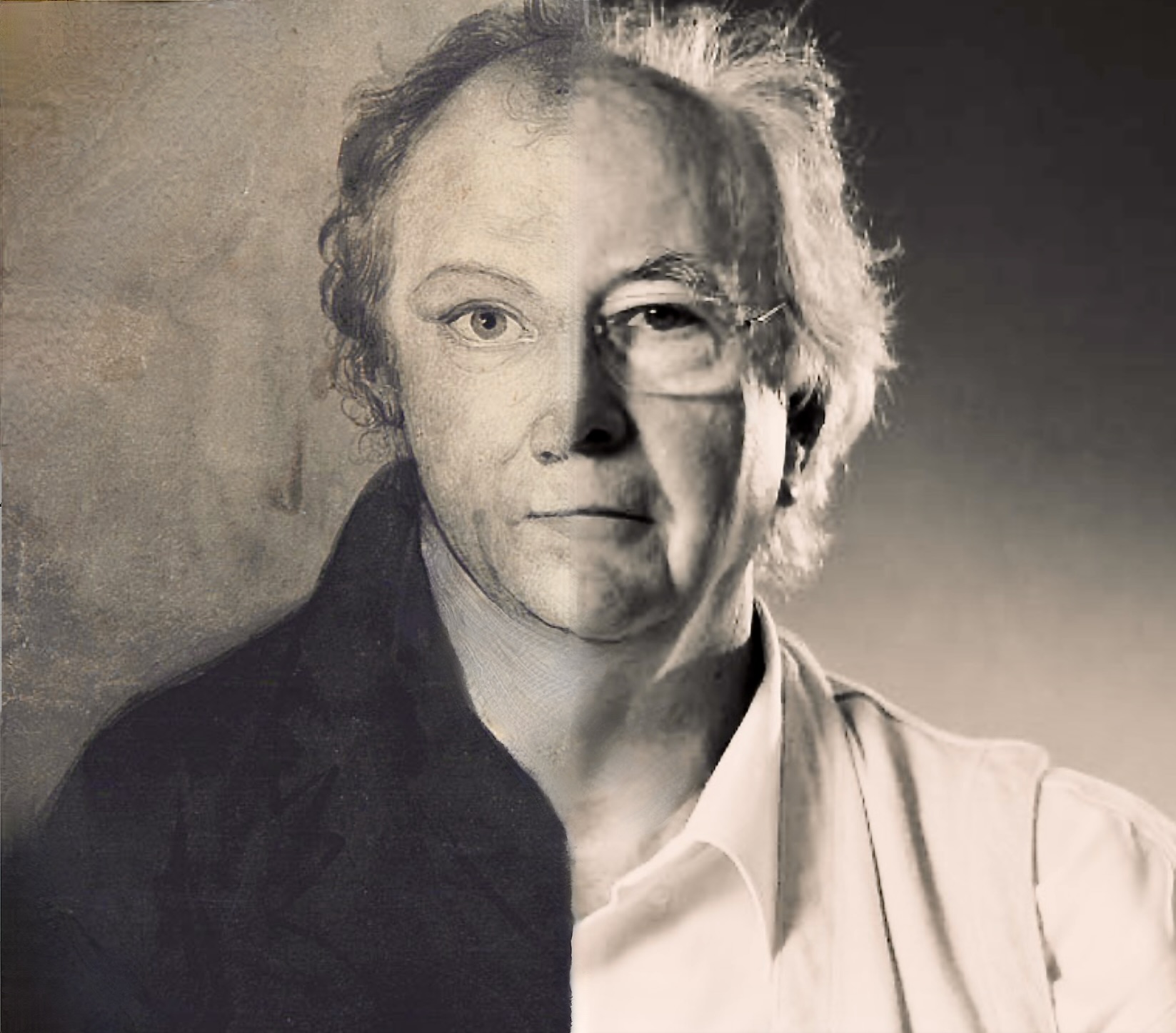
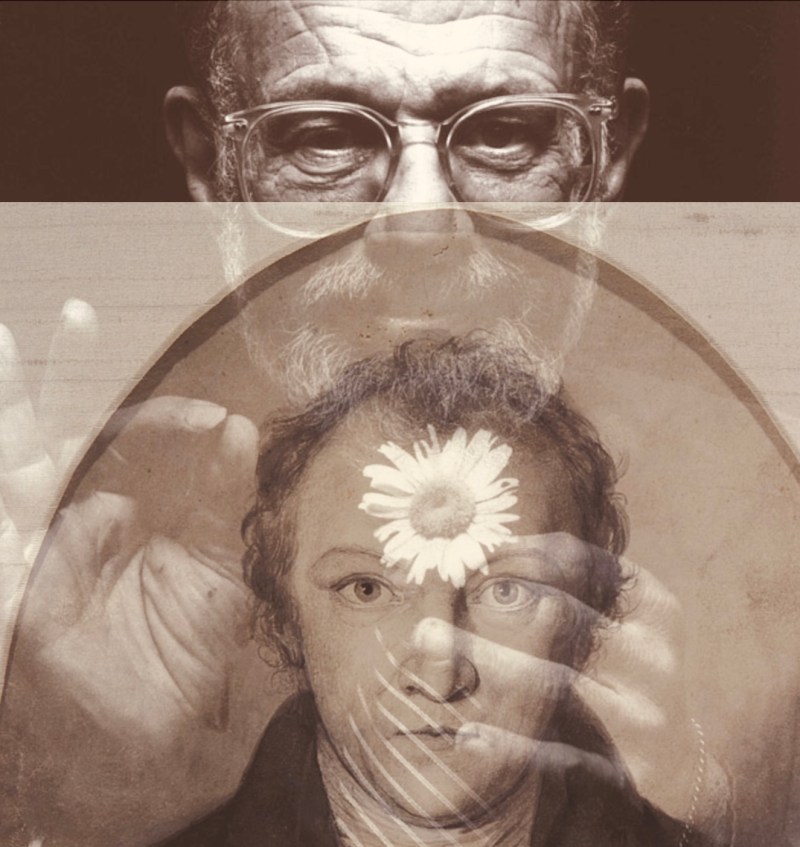
The Magic of William Blake, by Philip Pullman

Philip Pullman reflects on how Blake’s poetry has influenced and intoxicated him for more than 50 years

Screen Shot 2021-05-10 at 10.39.26

Introduction: Unlocking the doors of perception

Sometimes we find a poet, or a painter, or a musician who functions like a key that unlocks a part of ourselves we never knew was there. The experience is not like learning to appreciate something that we once found difficult or rebarbative, as we might conscientiously try to appreciate the worth of The Faerie Queene and decide that yes, on balance, it is full of interesting and admirable things. It’s a more visceral, physical sensation than that, and it comes most powerfully when we’re young. Something awakes that was asleep, doors open that were closed, lights come on in all the windows of a palace inside us, the existence of which we never suspected.

Read More

Opening the Doors: William Blake, Jack Kerouac, Allen Ginsberg, and the Beat Generation

Howl: The War of this World against Vision and Imagination

Screenshot 2022-02-27 at 16.13.12 4

Screenshot 2022-02-23 at 09.39.58

Old New York

Screenshot 2022-02-23 at 12.18.27-OK

Screen Shot 2021-05-10 at 10.39.26

Introduction: Blake & the Beats

Screenshot 2022-02-23 at 10.35.06 2

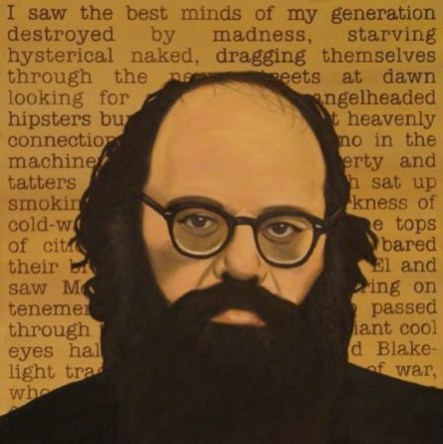
Allen Ginsberg (1926–1997) in front of the opening lines of Howl, referencing Blake in its opening section

William Blake’s influence on the Beat Generation is arguably more significant than that of any other writer or artist. Most notably he was Ginsberg’s “guru” and the “catalyst” for his poetry, and even warranted a mention in “Howl”. Blake supposedly appeared to Ginsberg in 1945 and read “Ah Sun-flower”, and again in 1948 when Ginsberg was reading “The Sick Rose”. He explained,

I was never able to figure out whether I was having a religious vision, a hallucinatory experience, or what, but it was the deepest ‘spiritual’ experience I had in my life, and determined my karma as poet. That’s the-key pivotal turnabout of my own existence. That’s why I was hung up on setting Blake to music.

Visions were important to Blake, who claimed that his poetry was not necessarily a work that he created, but something channeled through him. He referred to himself as a “true Orator” and claimed that poetry came from a voice that he simply wrote down.

Read More

Opening the Doors of Perception, by Aldous Huxley

William Blake, Mescaline, and the end of Time

symbolism_symbolic_jacobs_ladder_william_blake-re8ffa684355a4f63b51aa8067301d4b8_zz7zs_324-DOORS-OF-PERCEPTION (4)

Huxley cited his fascination with Blake as a primary factor in his decision to take mescaline, which he hoped would help him transcend the self and see the world without the usual filters on reality: “the drug would admit me at least for a few hours, into the kind of inner world described by Blake.” His book of the experience, The Doors of Perception, is itself eye-opening: one of the most careful and precise deconstructions of “normal” perception ever written: “The function of the brain and nervous system is in the main eliminative”, he observed, “leaving only that very small and special selection which is likely to be practically useful”. The drug allowed him to see that what we normally call “reality” is in fact the product of a massive filtering out of reality, a systematic closing of the doors, leaving only the programs of measurement (“ratio-ing”) and utility – reality as it would necessarily appear “to an animal obsessed with survival.”

Read More