Welcome to GOLGONOOZA! Launch of new William Blake Substack site! 

Exploring William Blake in the 21st Century

Screenshot

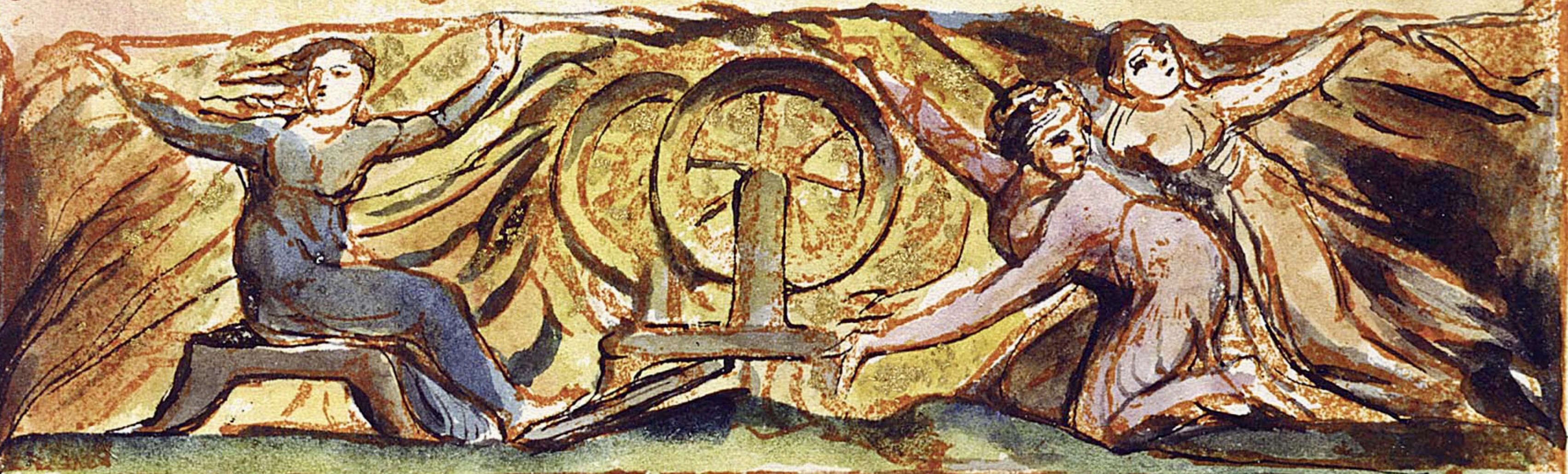
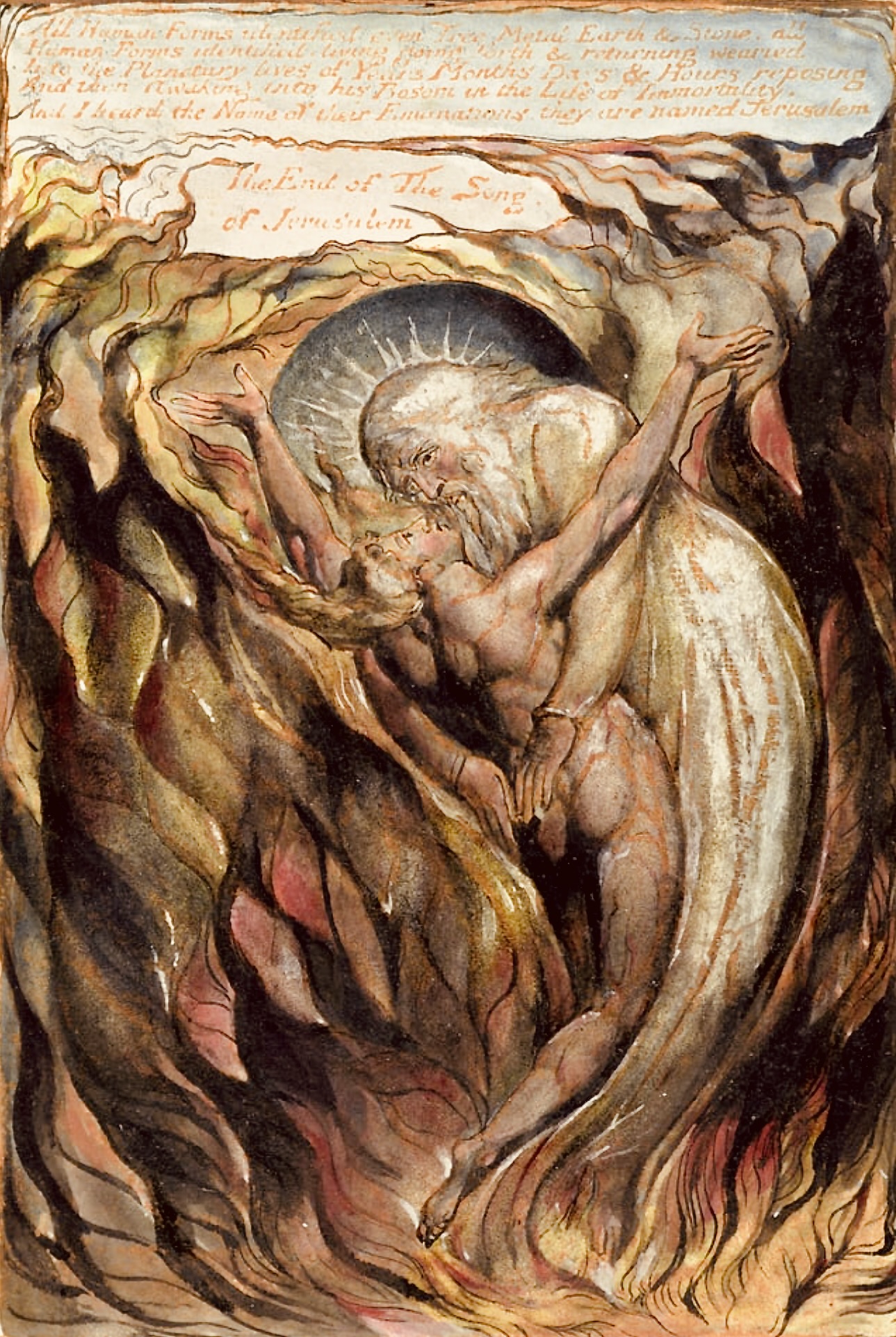
The Daughters of Los and Enitharmon in the Looms of Golgonooza – William Blake, Jerusalem

Screen Shot 2021-05-10 at 10.39.26

Coming Soon! 

Dear Golgonooza subscriber,

Exciting news! I wanted to let you all know first that I will shortly be opening a new Blakean platform, to continue and extend the discussions that have appeared on this site over the last nine years, and develop the project in hopefully new and exciting ways.

The new platform on Substack will allow a much greater interaction and communication than is possible on the current WordPress site, with opportunities to chat and respond directly, leave comments and suggestions, participate in community treads and podcasts, contribute pieces and ideas, and therefore make this a much more genuinely interactive and embodied domain.

There will continue to be regular in-depth explorations of Blake’s work and its relevance to all aspects of contemporary life and current discussions – to the worlds of neuroscience, art, philosophy, politics, science, music, technology and wider cultural life. In addition, there will be new features such as regular updates, news, podcasts, and information. There’s a lot happening in the world of Blake right now, and it’d be great to explore it together!

All existing Golgonooza followers will be automatically transferred to the new site, so you don’t have to do anything, and there will be additional options and possibilities for interaction and involvement there as well. But I wanted to let you know, first of all, of this exciting new development, and to take this opportunity to thank you for all of your support, emails, comments, and encouragement over the last few years, which has been amazing, and has in fact kept it going. I had no idea when it started where this page might go, or where it might lead, and have found the evolving discussions and level of interest in it both moving and constantly inspiring and surprising. And I’m hoping this next stage of the project will bring even more conversations, and surprises! …

You’ll be receiving the first post from the new site in a few days. In the meantime, if you have any questions please just let me know – otherwise hope to see you on the new site!

Thank you again for all your support.

Rod Tweedy

Screen Shot 2021-05-10 at 10.39.26

Screen Shot 2021-05-10 at 10.39.26

Read More

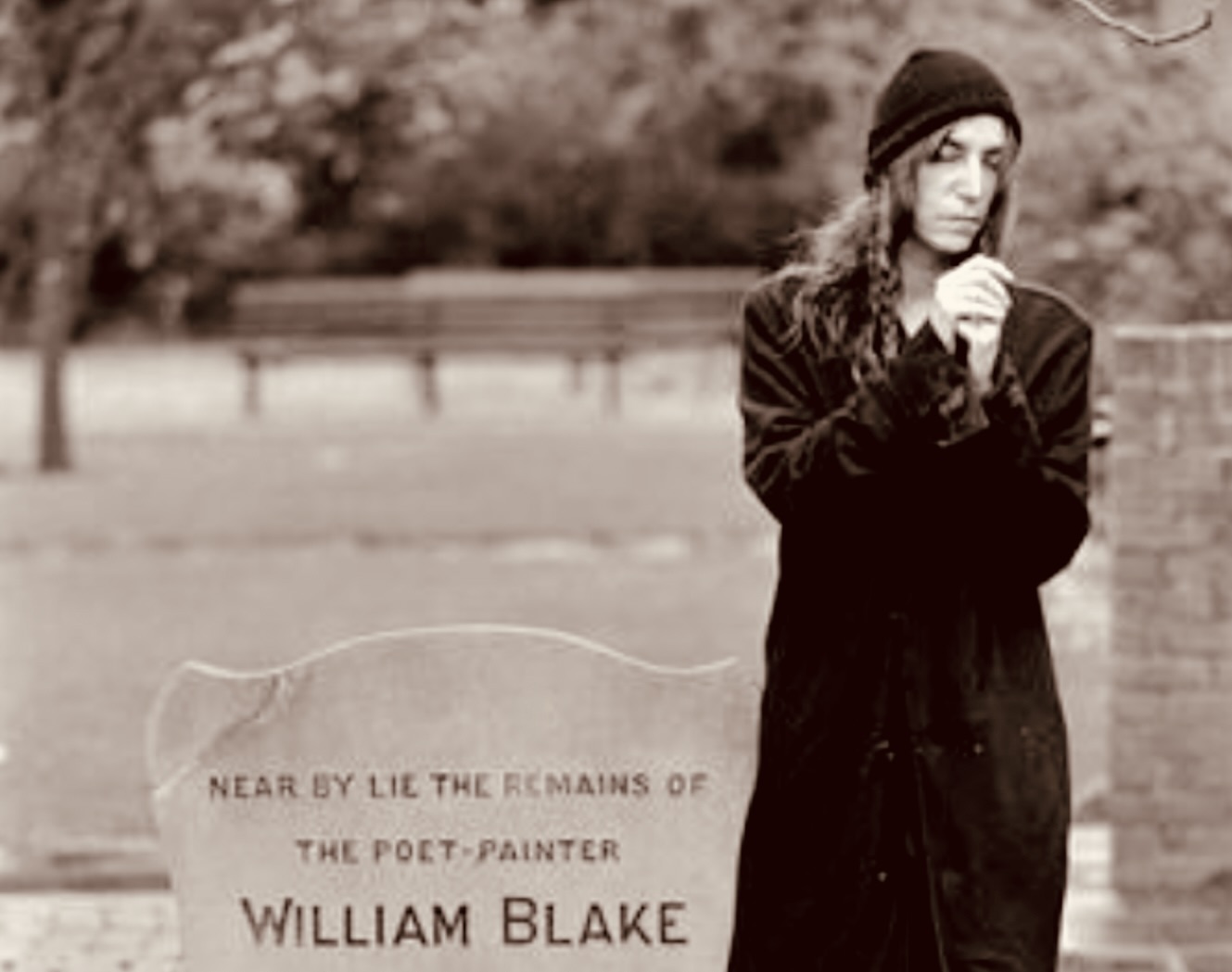
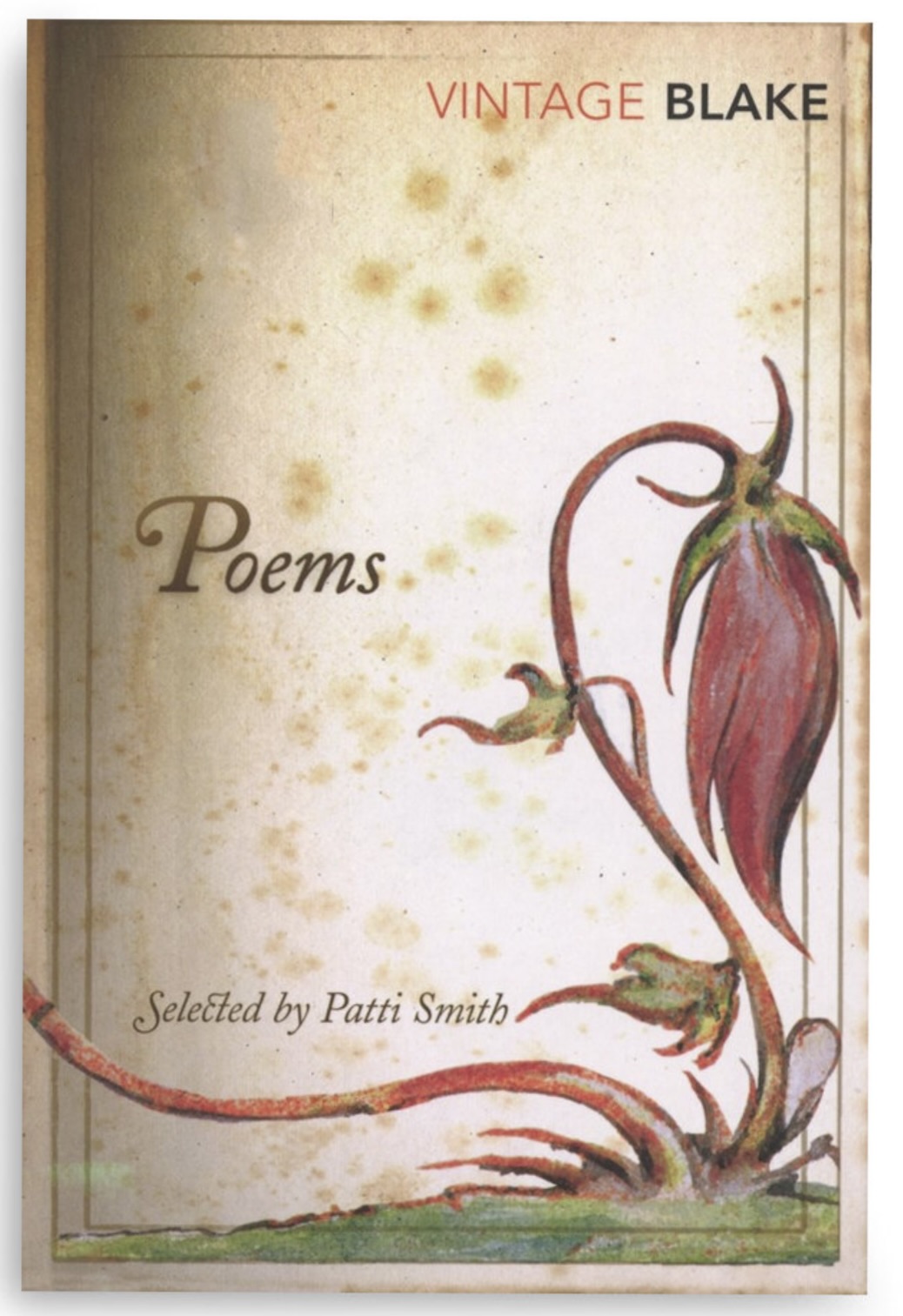
William Blake and Me, by Patti Smith

Embrace what you Fear: Being with Blake

Screen Shot 2021-05-10 at 10.39.26

My Introduction to Blake

“I can’t imagine my childhood without him. His poems were my companions, my friends. I had pneumonia, I contracted TB, scarlet fever, every childhood disease. And my two favourite books were William Blake’s Songs of Innocence and Experience, and the children’s poems of Robert Louis Stevenson.” In 2007, to celebrate the 250th anniversary of Blake’s birth, Smith edited a selection of his verses simply titled Poems — “a bit of Blake, designed as a bedside companion or to accompany a walk in the countryside, to sit beneath a shady tree and discover a portal into his visionary and musical experience.”

My mother gave me Blake. In a church bazaar she found Songs of Innocence, a lovely 1927 edition faithful to the original. I spent long hours deciphering the calligraphy and contemplating the illustrations entwined with the text. I was fascinated by the possibility that one creates both word and image as did Blake, with copperplate, linen and rag, walnut oils, a simple pencil.

My father helped me comprehend this childless man who seemed to me the ultimate friend of children, who bemoaned their fate as chimney sweeps, labourers in the mills, berating the exploitation of their innocence and beauty.

Through my life I have returned to him.

When Allen Ginsberg lay dying, I was among those who sat vigil by his bedside. I wandered into his library and randomly chose a book, a volume of Blake in blood-red binding. Each poem was deeply annotated in Allen’s hand, just as Blake had annotated Milton. I could imagine these prolific, complex men discoursing; the angels, mute, admiring.

William Blake felt that all men possessed visionary power. He cited from Numbers 11:29: “Would to God that all the Lord’s people were prophets’. He did not jealously guard his vision; he shared it through his work and called upon us to animate the creative spirit within us.

Read More

A BLAKE NEW WORLD: The place of Sense Perception and Imagination in William Blake and Aldous Huxley

Aldous Huxley and the Doors of Perceiving

Screen Shot 2021-05-10 at 10.39.26

Introduction: Opening the Flower of Mescaline

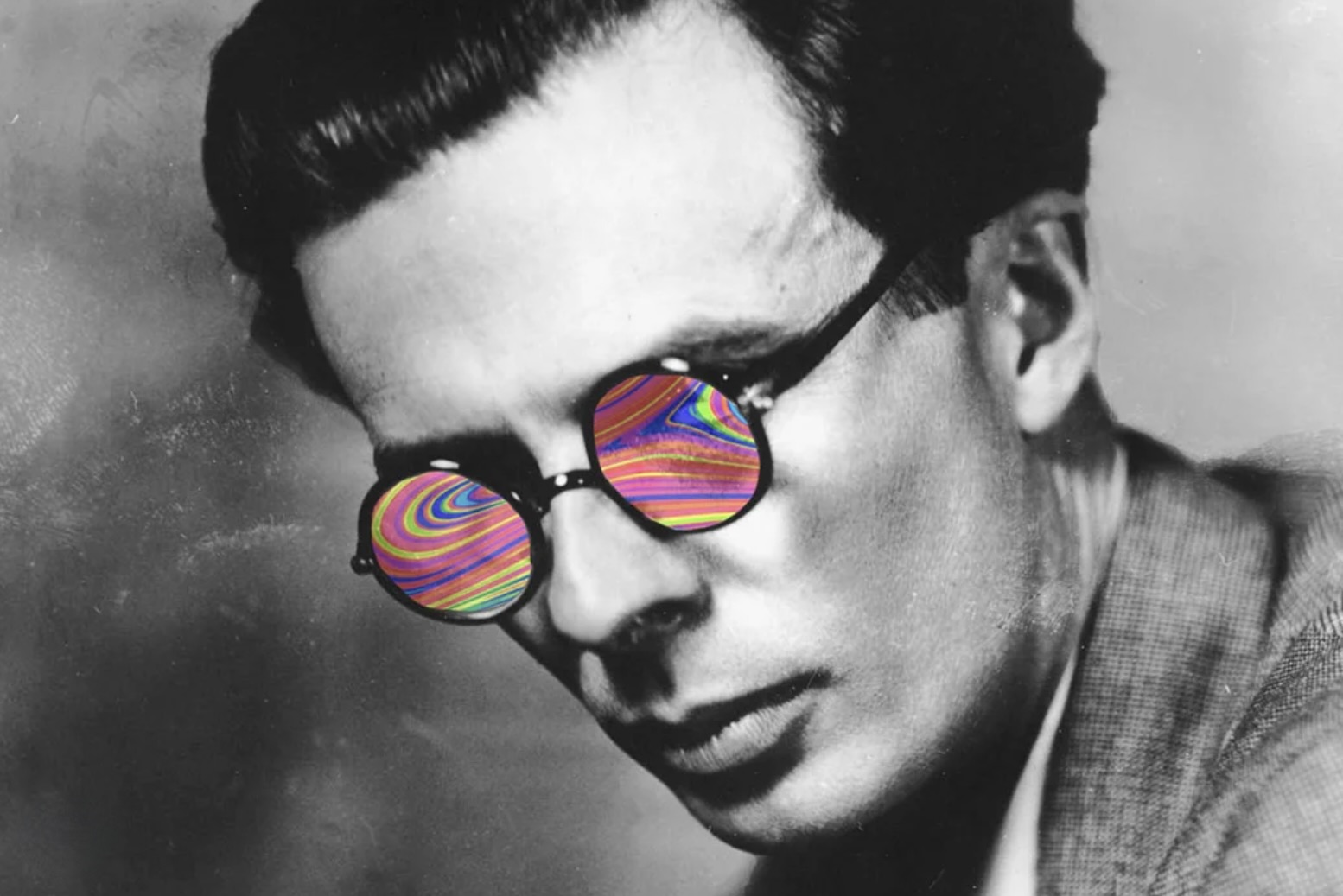
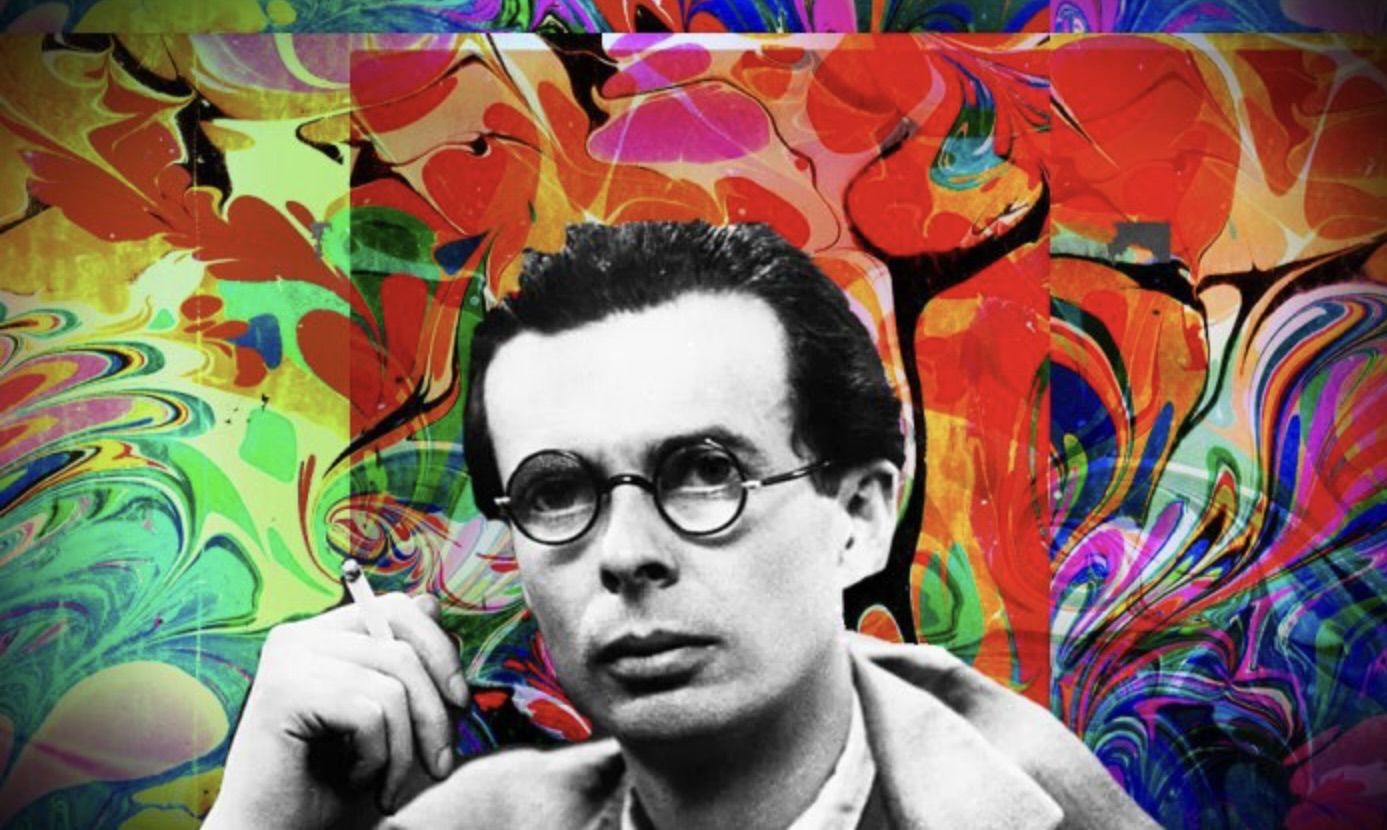
His interest piqued by psychological research on the drug, in 1953 Aldous Huxley swallowed four-tenths of a gram of mescaline with the hope that his experience would lead to a better understanding of the mind’s role in human perception.

Mescaline is a relatively innocuous hallucinogen found in several species of cacti, the most well-known being Peyote, a small plant that many of the native peoples of the American Southwest and Mexico respect as a divine gift. Western science has approached the drug’s effects more pragmatically, studying the chemical and psychological changes that accompany mescaline intoxication, but for the more personally-driven experimenter it has not lost its philosophical allure.

Heaven in a wild flower: Mescaline is a naturally occurring psychedelic that comes from the Mexican peyote cactus (Lophohora williamsii)

“This is how one ought to see, how things really are” – Aldous Huxley

Screen Shot 2021-05-10 at 10.39.26

Huxley approached his experiment conscious of both the scientific and philosophical issues surrounding the alteration of consciousness, and recorded his analysis of the experience in two short books, The Doors of Perception and Heaven and Hell. A discerning glance at the titles of these two works suggests a direct relationship with Blake’s The Marriage of Heaven and Hell, but the degree to which Blakean concepts actually form the foundation for Huxley’s reflections has not yet been thoroughly examined.

Read More

The Magic of William Blake, by Philip Pullman

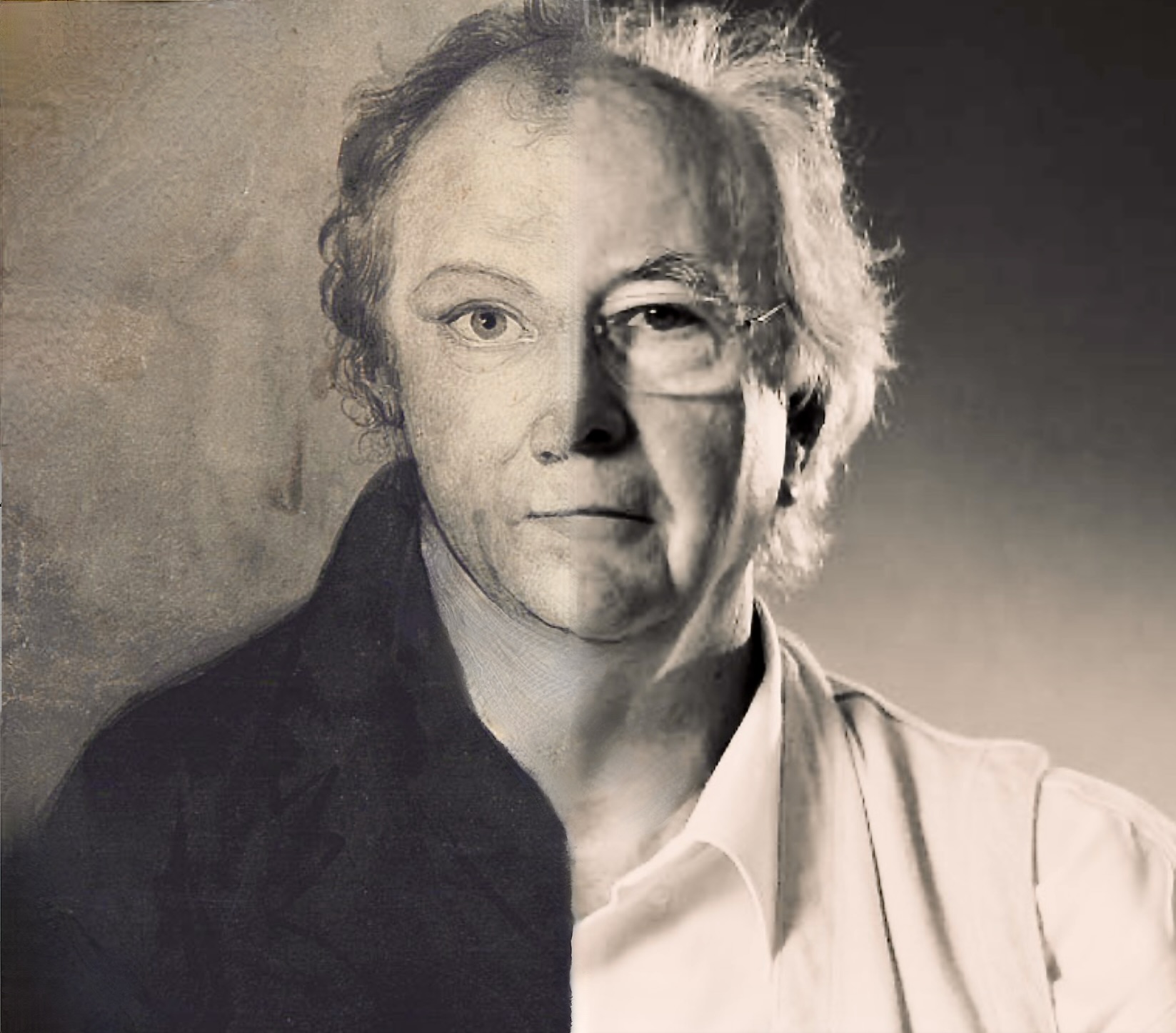
Philip Pullman reflects on how Blake’s poetry has influenced and intoxicated him for more than 50 years

Screen Shot 2021-05-10 at 10.39.26

Introduction: Unlocking the doors of perception

Sometimes we find a poet, or a painter, or a musician who functions like a key that unlocks a part of ourselves we never knew was there. The experience is not like learning to appreciate something that we once found difficult or rebarbative, as we might conscientiously try to appreciate the worth of The Faerie Queene and decide that yes, on balance, it is full of interesting and admirable things. It’s a more visceral, physical sensation than that, and it comes most powerfully when we’re young. Something awakes that was asleep, doors open that were closed, lights come on in all the windows of a palace inside us, the existence of which we never suspected.

Read More

Divine Imagination: Correlations Between the Kabbalah and the Works of William Blake, by Mikell Waters Brown

Screen Shot 2021-05-10 at 10.39.26

Introduction: Adam Kadmon

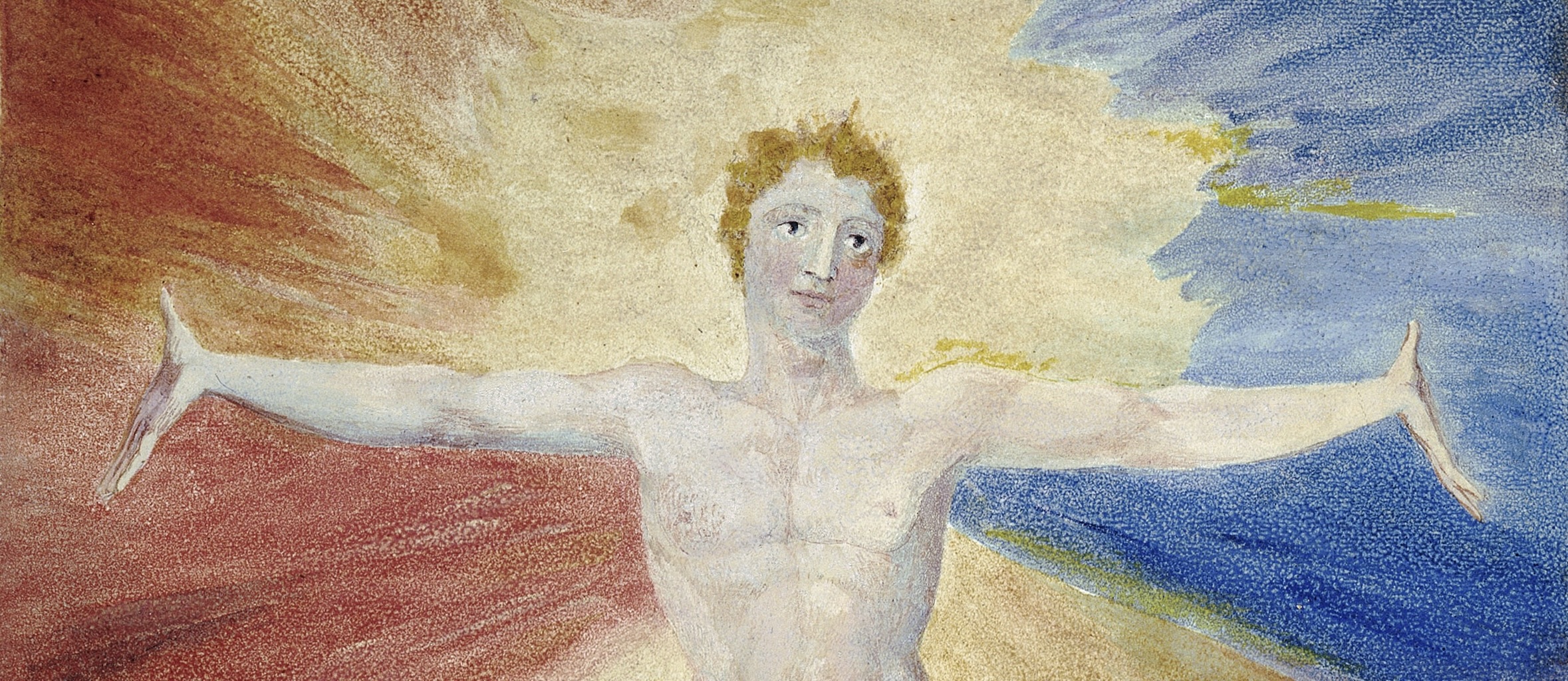
The Dance or Albion, also called Glad Day and Albion Rose, is arguably William Blake’s most recognizable image, at least in terms or his pictorial output. It is a potent and joyous evocation of spiritual ascendancy and as such it provides an excellent starting place for our examination of Blake’s visionary and often obscure iconography.

Read More

The Presence of Peace, by Ben Griffin

The Peace Movement and the movement away from Peace

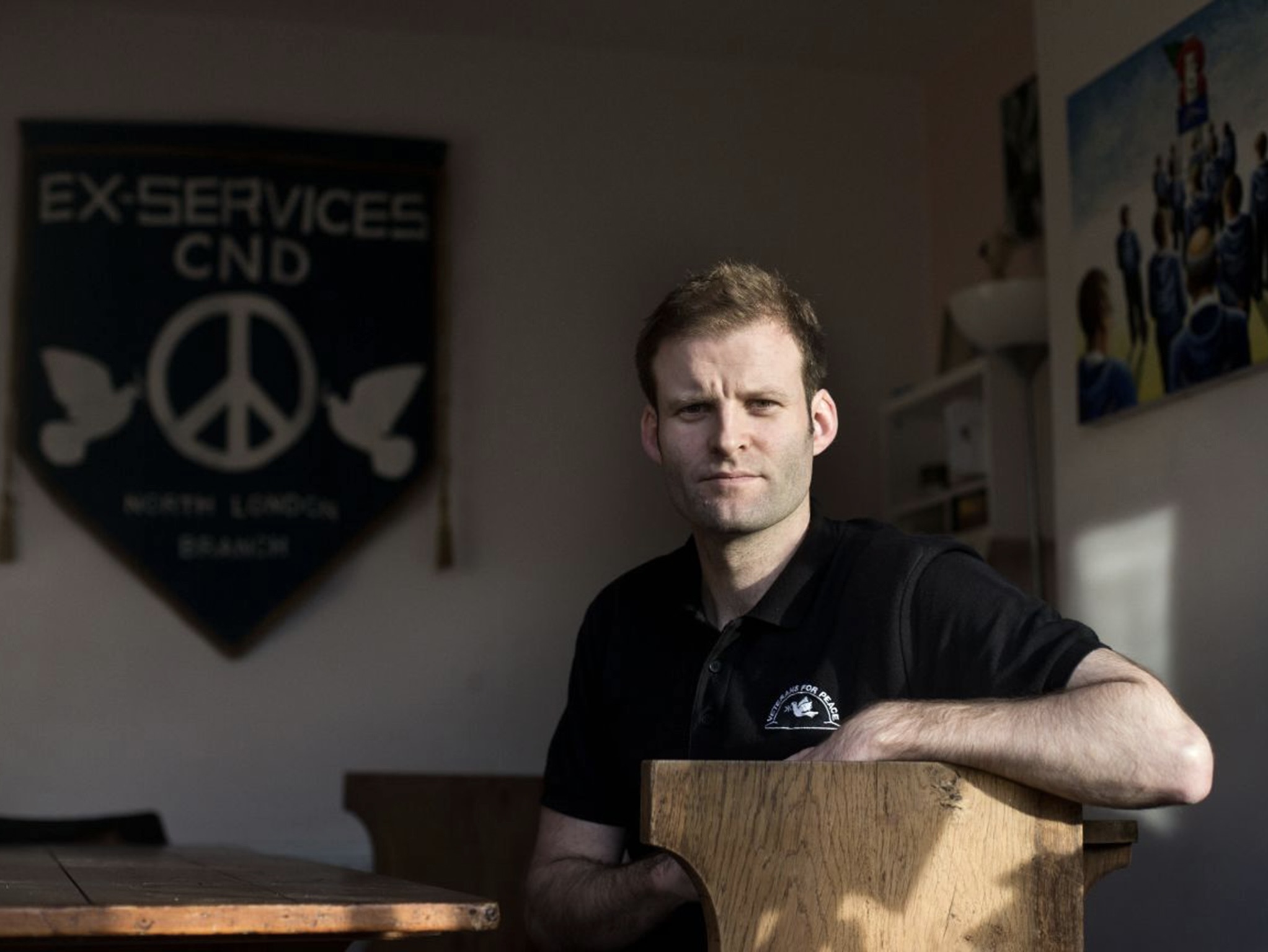
Ben Griffin, former British SAS soldier and founder of Veterans for Peace UK, speaking about the nature of peace and how our current societies and mindsets constantly lead us away from it.

Screen Shot 2021-05-10 at 10.39.26

Screenshot 2022-11-01 at 11.44.27

Ben Griffin is a former British SAS soldier who has served in Northern Ireland, Macedonia, and Afghanistan as a member of the Parachute Regiment and subsequently in Iraq as part of the Special Air Service, alongside American forces. The events that he witnessed in Iraq and in particular the conduct of US forces led him to decide not to return and in 2005 he left the Army, citing not only the ‘illegal’ tactics of United States troops and the policies of coalition forces but also that the invasion itself was contrary to international law and was in fact ‘irrational, immoral, and illegal’.

Ben Griffin informed his commanding officer of his intentions and also of his opinion that ‘Tony Blair and the Government had lied to the country and had deceived every British serviceman and woman serving in Iraq’. He expected to be court-martialled, but was instead let go with a glowing testimonial from his commanding officer. In his testimonial, Griffin’s CO described him as a ‘balanced and honest soldier who possesses the strength and character to genuinely have the courage of his convictions’.

In 2008 Griffin spoke to an anti-war rally about UK involvement in extraordinary rendition (a practice that was at the time denied by both the Foreign Secretary Jack Straw and by the Prime Minister Tony Blair). The next day he was served with an injunction preventing him from speaking publicly and from publishing material about his time in the SAS. Three years later he founded Veterans for Peace UK (2011-2022), following a chance meeting in the London bookshop Housmans with a member of the original US-based Veterans for Peace.

Screenshot 2022-12-10 at 12.09.58

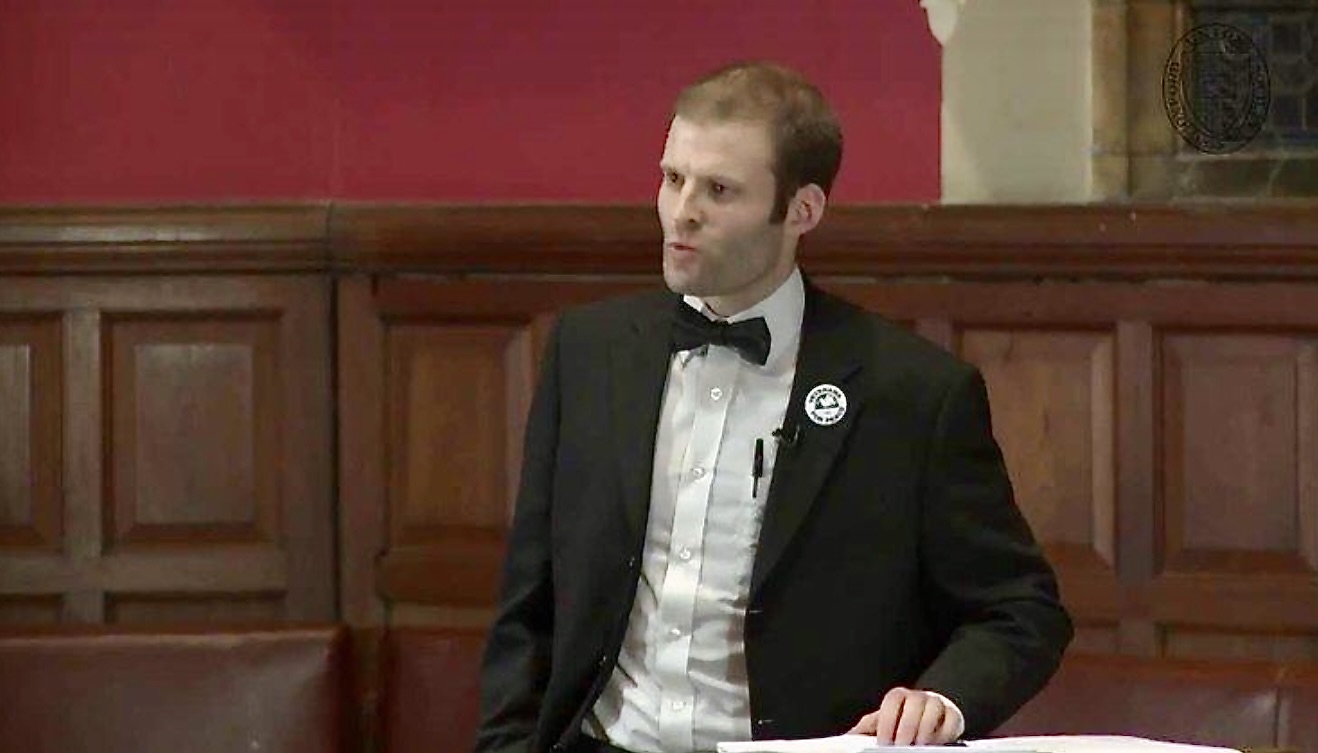
At an Oxford University Union debate, speaking in favour of the motion ‘We Will Not Fight For Queen and Country’ (2013)

In 2013, at an Oxford University Union debate, Ben Griffin made an eloquent and impassioned speech in favour of the motion ‘We Will Not Fight For Queen and Country’, in which he pointed out that the idea of fighting for Queen and Country was one ‘held up by those who gain the most from war: politicians, generals, the arms industry and the Media’. ‘From positions of vested interest they will try to convince you that Fighting for Queen and Country is your highest duty. But what they are really calling for is a continuation of business as usual.’

His direct experience in modern warfare gives him unusual authority to speak about the true nature of war. His disillusionment with the brutalising and deceptive propaganda of contemporary warfare resonated with many other war veterans, a large number whom subsequently joined VFP UK. In 2015 these veterans commemorated Remembrance Day with a powerful and moving ceremony at the Cenotaph – in the afternoon, when all of the TV cameras, assorted Royals, and contemporary Foreign Secretaries and Prime Ministers had gone. Their ceremony honoured all those killed in war including civilians and foreign soldiers. In tribute to Harry Patch (the last British survivor of the First World War, who died in 2009) they wore a quote from him on their backs: it simply said ‘War is Organised Murder’.

Veterans for Peace mark Remembrance Sunday at the London Cenotaph. 9-11-14 The organisation of ex servicement set up to peacefully oppose war marched to the Cenotaph from trafalgar Square and laid a wreath of predominantly White poppies.

The powerful and moving Veterans for Peace UK ceremony at the Cenotaph on Remembrance Sunday in 2015. The veterans walked to the Cenotaph under the banner ‘Never Again’.

You can listen to his most recent talk on the nature of peace in the link at the top of this post. What I take away from this, is that peace isn’t something we have to ‘strife’ for – it’s our default state,  and it’s the things that lead us away from peace or “deny” peace that we need to observe  – as he suggests, things like the idea of ‘identity’ (which is intrinsically divisive), status (linked also to identity) and the desire to control. These are the ‘movements away from peace’ that he speaks so compellingly about. 

To have changed the nature of the peace movement once in a lifetime is impressive enough, hut to have changed it twice, through this talk, is remarkable. The search for peace is not to be found in external things or processes, but within. And it’s not a search – we’re already there.

Wishing you all a very Peaceful Christmas.

21-BenGriffin-CharlForgBail 3Screenshot 2022-11-01 at 11.44.27

Read More

The Forgiveness Field: Martin Buber, William Blake, and David Bohm, by Rod Tweedy

Quantum Therapy: How Forgiveness restores the relational field

William_Blake_-_Albion_Rose_-_from_A_Large_Book_of_Designs_1793-6 (5)

Forgiveness is the great yes” – Martin Buber


Forgiveness does not mean condoning what has been done. It means taking what happened seriously and not minimising it; drawing out the sting of the memory that threatens to poison our entire existence.” – Bishop Desmond Tutu


“The Spirit of Jesus is continual forgiveness” – William Blake


Always forgive your enemies; nothing annoys them so much” – Oscar Wilde

Screen Shot 2021-05-10 at 10.39.26

Radical Forgiveness

3031353198_b5013103fe_oThe concept of forgiveness is often understood as operating within traditional ethical and philosophical contexts and frameworks involving issues of moral agency, moral standards, and moral virtue. But there’s another tradition of thinking which sees forgiveness as in a sense a transcendence of, or even a radical challenge to, normal or normative ‘moral’ thinking, with its emphasis (as Martha Nussbaum suggests) on the more ‘transactional’ or ‘performative’ aspects of ethical behaviour and decision-making – for example, calculating the pros and cons of forgiving someone, or weighing up the possible health benefits of forgiveness, which seem to imply and draw on a sort of moral ‘logic’ or ethical equation. 

Read More

William Blake and Georg Groddeck: Symbols as Symptoms

Giving Error a Form: The role of the Unconscious Imagination

Screenshot 2022-11-04 at 17.51.12Screenshot 2022-11-04 at 18.41.10 4

Screenshot 2022-11-04 at 17.52.02

Screen Shot 2021-05-10 at 10.39.26

Introduction: The Myth of Creation

Screenshot 2022-11-01 at 18.09.11 2

“The materialization of Error, or the ‘Creation’ as its popularly called”. Image: The Sixth Day of Creation, by Lucas Cranach the Younger (1634). What is true of the body on a particular scale is equally true of the body on a cosmic scale: it is the “visible portion”, as Blake would say, of inner processes that have become “objectified” or dissociated, in order to reveal their dysfunction to the perceiver of that body, like all diseases – in order to then integrate and heal them, and return to eternity. In Kabbalah this process of recognition and re-integration is called tikkun olam (literally “repair of the world”), and human consciousness is considered essential to the process of repair.

According to Blake, the materialization of Error, or the “Creation” as its popularly called, is the result of a dissociative split within consciousness itself, emanating from the radical alienation of the rationalizing and “objecting” (or objectifying) portion of consciousness from Being, perceiver from perceived (“it is the Reasoning Power/ An Abstract objecting power,” Jerusalem 10:13-14).

In mythology, this division or dissociation is embodied in the story of the separation of “Eve” from “Adam”. These aspects, as the Book of Genesis carefully notes, were originally portions or “likenesses” of ‘God’.

In the day that God created humankind (“adam”), in the likeness of God made he him; Male and female created he them; and blessed them, and called their name Adam, in the day when they were created. (Book of Genesis 5: 2-3)

As a result of this emerging state of Urizenic or “Spectre” psychology, the abstracted, instrumental ego perceives itself as being ‘in here’ and the world as ‘out there’, and it also then perceives the externalized world as being ‘natural’ (that is, beyond its imaginative control, and determining the now “passive” psyche) rather than as imaginative, the perceived form of its particular mode of experiencing reality.

But like all Errors, this externalized sense of world and reality has a positive part to play in the eventual liberation and self-realization of Man: it is an attempt to heal the internal and traumatized nature of the divide psyche. “Error is Created  Truth is Eternal   Error or Creation will be Burned Up & then & not till then Truth or Eternity will appear  It is Burnt up the Moment Men cease to behold it” (LJ 95).

Read More

William Blake and the Last Judgment: The Elohim Program, by Rod Tweedy

Seeing without Judging: Passing through the Doors of Perception

Screenshot 2022-10-30 at 17.36.05 5 2-OKKScreenshot 2022-04-12 at 22.12.18

Screenshot 2022-05-07 at 15.35.19

Screenshot 2022-05-07 at 15.19.41

Screen Shot 2021-05-10 at 10.39.26

Introduction: The Last Judgment

The ancient tradition that the world will be consumed in fire at the end of six thousand years is true. as I have heard from Hell.
For the cherub with his flaming sword is hereby commanded to leave his guard at the tree of life, and when he does, the whole creation will be consumed, and appear infinite and holy whereas it now appears finite & corrupt.
This will come to pass by an improvement of sensual enjoyment.

– Blake, The Marriage of Heaven and Hell

In order to see reality as “infinite and holy” Blake’s advice is to let go, to “surrender”: to cast one’s rationalising, judgmental ego or “Selfhood” into the “Lakes of Los”, and to let go of the entire egoic program. We can have no real relationship or communion with reality while we are judging it: to judge something is to stand outside it, and to convert living contraries into dead and conflicting ideas or opposites (“good and bad”, “light and dark” etc).

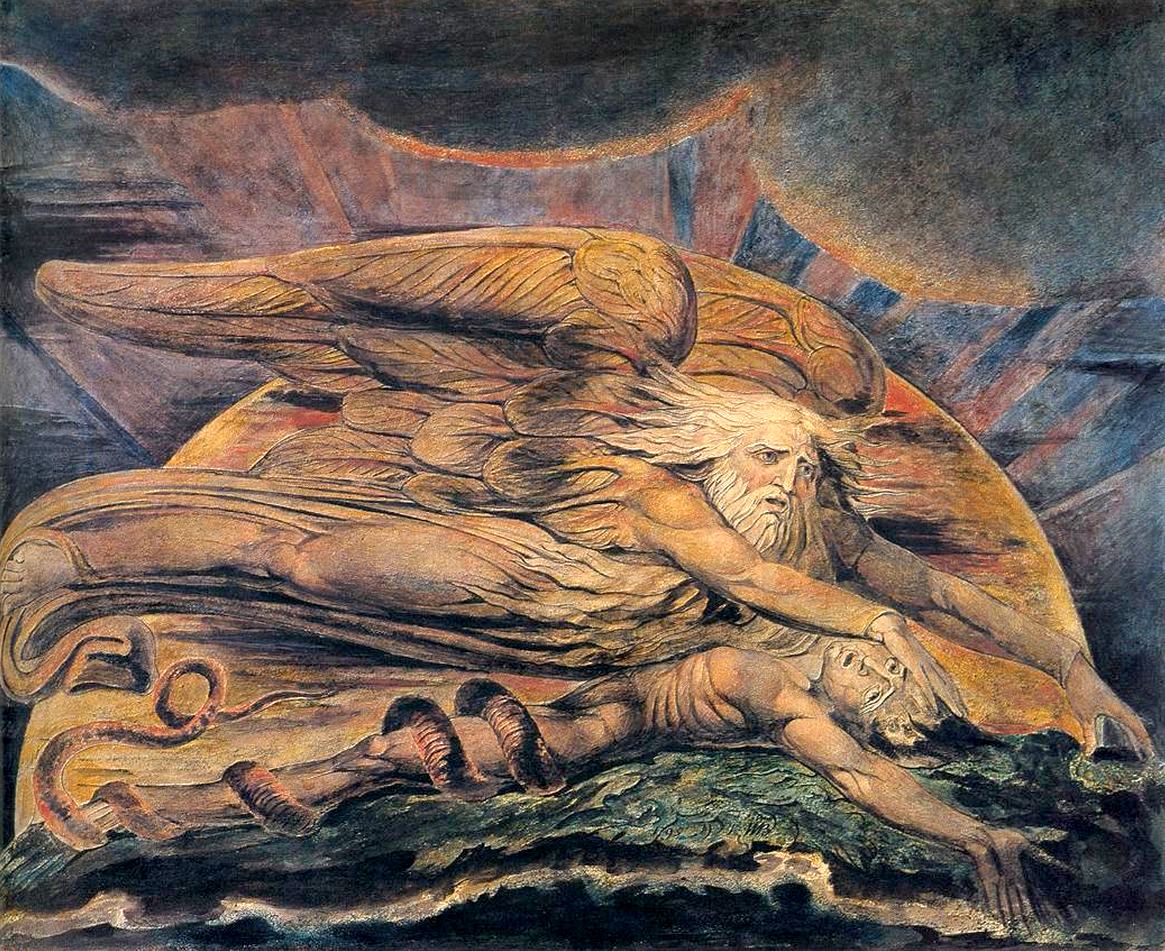
The Hebrew word for “judges” is “Elohim“: it’s the name given to the “God” of the Book of Genesis which presides over our expulsion from Eden, that is from the present moment – from Being.  This is what Judgment does to the human form and the human brain: this is what the Judgment program looks like:
img_1127459_36102374_0

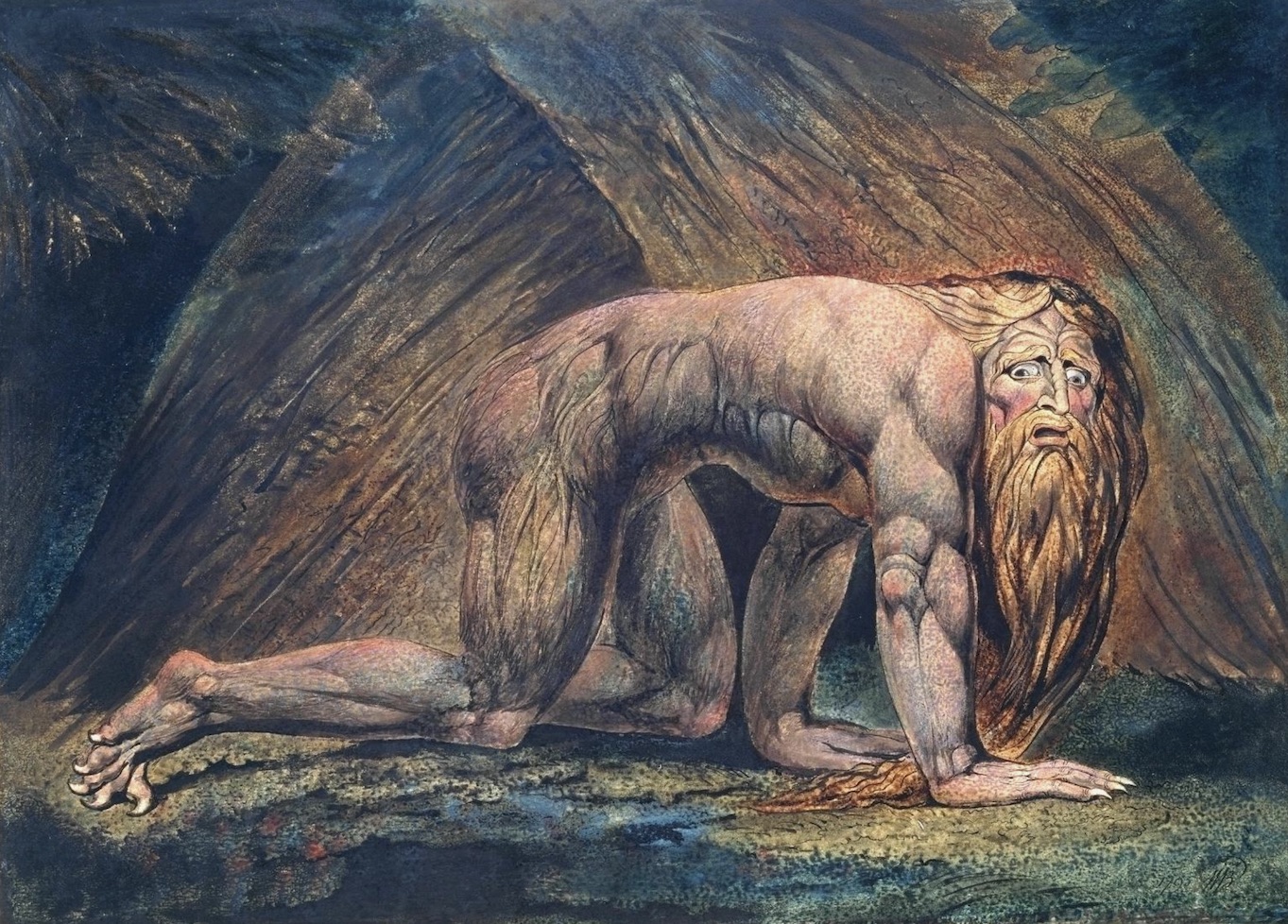
Elohim Creating Adam, by Blake (c. 1795-1805). The Biblical name for the “judge” or “judges” within the psyche of man is “Elohim”, and as such they appear in the Book of Genesis. “And God [Elohim] said, Let us [plural] make man in our image, after our likeness” (Genesis 1:26). It is no coincidence that this moment of “creation” (or rather “division”) is shortly followed by the eating of the tree of “good and evil”, and the even swifter expulsion from “Paradise” (i.e., from integrated Being) as a result. As Blake suggests in the detailed notes he made for his Vision of the Last Judgment (1810), every time a judgment is made about reality, the same “Satanic” process or judgment program (within “Adam”) gets activated.

In many ways, Blake’s whole poetic output has been leading up to this moment: the moment in his work where the individual finally realises the nature of his own psyche, and becomes aware of the pathological nature of the egoic Selfhood that had previously controlled and conditioned him.

In Jerusalem: The Emanation of the Giant Albion (1820), Blake himself directly addresses the human imagination as that agency within man which can give “Error” a form (so that it can be ‘seen’, so that it can be known and rejected), and which also operates above and beyond normal (egoic or rational) consciousness, in order to “Annihilate the Selfhood in me” (J 5:22). With the profoundly unconscious rational Selfhood no longer “God” of the human perceptual and cognitive system, of the left hemisphere of the brain, the individual can finally “awake from Slumbers of Six Thousand Years”.

Note in the picture above that the Elohim’s right hand (i.e., left hemisphere) is directly targeting Adam’s right hemisphere, as if to take control of it, to demobilise and suppress it. The right brain is non-judgmental and relational; it contains the networks and processes of empathy, inter-connectedness, “I/Thou’ relationships, intuition, betweenness, and being itself (through its intimate and extensive connection to the human body, and to embodiment). This act effectively makes the deeper intelligence and awareness of the right brain “unconscious” or as Blake says, “asleep”.

722px-Job's_Evil_Dreams-butts (1)

The cloven hooves of the Elohim Program: the Dividing, Judging Power within the Brain. Image: ‘Job’s Evil Dreams’ from Blake’s Illustrations of the Book of Job. Note the irony, and inversion, of the title: Job’s “Evil” dream is of a “Good” god. How can this be?

The “Creation” – that is, the conversion of the infinite and holy world into a “natural” or material world riven by discrete objects in perpetual conflict – is a moment of profound torment and agony.

Look how unconscious both agents are in this process of conversion. And yet, in another of the inversions that this process (the elevation of the Elohim over Adam, and the left hemisphere into dominance and Mastery), this deep sleep or unconsciousness is what we now call (rational) consciousness – the externalising, rationalising, atomising, “objecting” (as Blake beautifully describes it – deftly combining both its judgmental character and its conversion of the flow of bring into “object representations”, into things) nature of this “Fall into Division”.

The result, suggests Blake, has been “six thousand years” of humanity being “asleep” (this correlates with the ascendancy of these powerful judging, rationalising, and measuring programs of the brain in the cultures of Sumer, Babylon, and Egypt around 4,000 BC).  But now, he notes, we are slowly beginning to realise what’s happened to us, and the false nature of the reality we find ourselves in.

Screenshot 2022-04-05 at 16.44.07

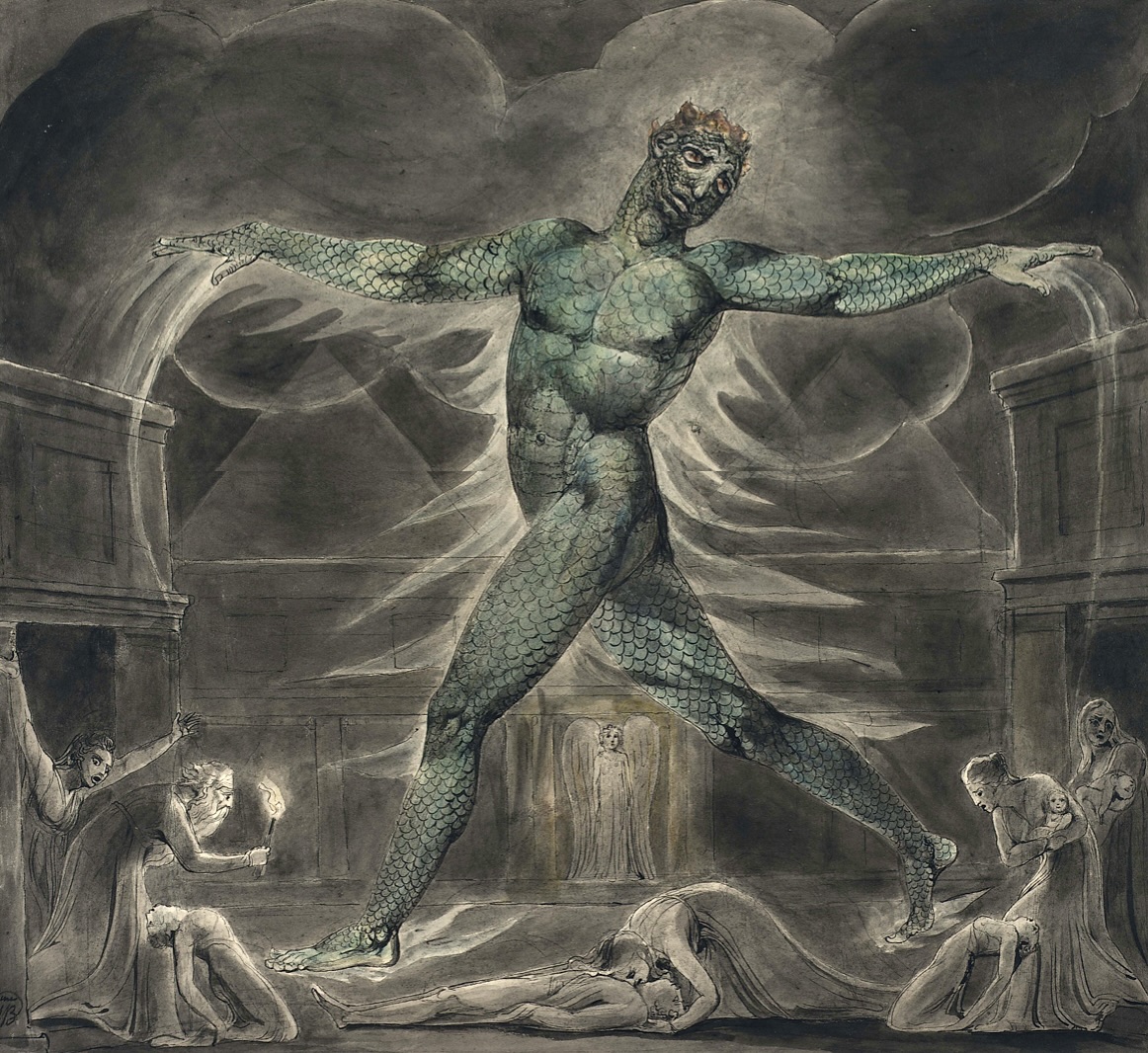
The Whore of Babylon, a key figure or archetype in the process of our estrangement from Being and the processes of judgment and alienation that facilitate it, here shown sitting on the back of the Great Beast. (Image: ‘The Harlot and the Giant’ from Blake’s Illustrations to Dante’s Divine Comedy). As Blake noted in 1798, in contemporary culture and society “The Beast & the Whore rule without controls” (Annotations to Watson). We will see this figure again in Blake’s many Visions of the Last Judgment.

Blake refers to this process, which he also calls “awakening”, as a casting off or a letting go of the Selfhood. The Selfhood is what the Judging program uses to define itself and give it a sense of power (putting itself “up” by judging others and putting them “down”; the vocabulary of up and down, higher and lower, is always a sign of the presence of the Elohim). Awareness is the letting go. As Blake noted, “whenever any Individual Rejects Error & Embraces Truth a Last Judgment passes upon that Individual” (LJ 84).

Screenshot 2022-05-08 at 10.45.26

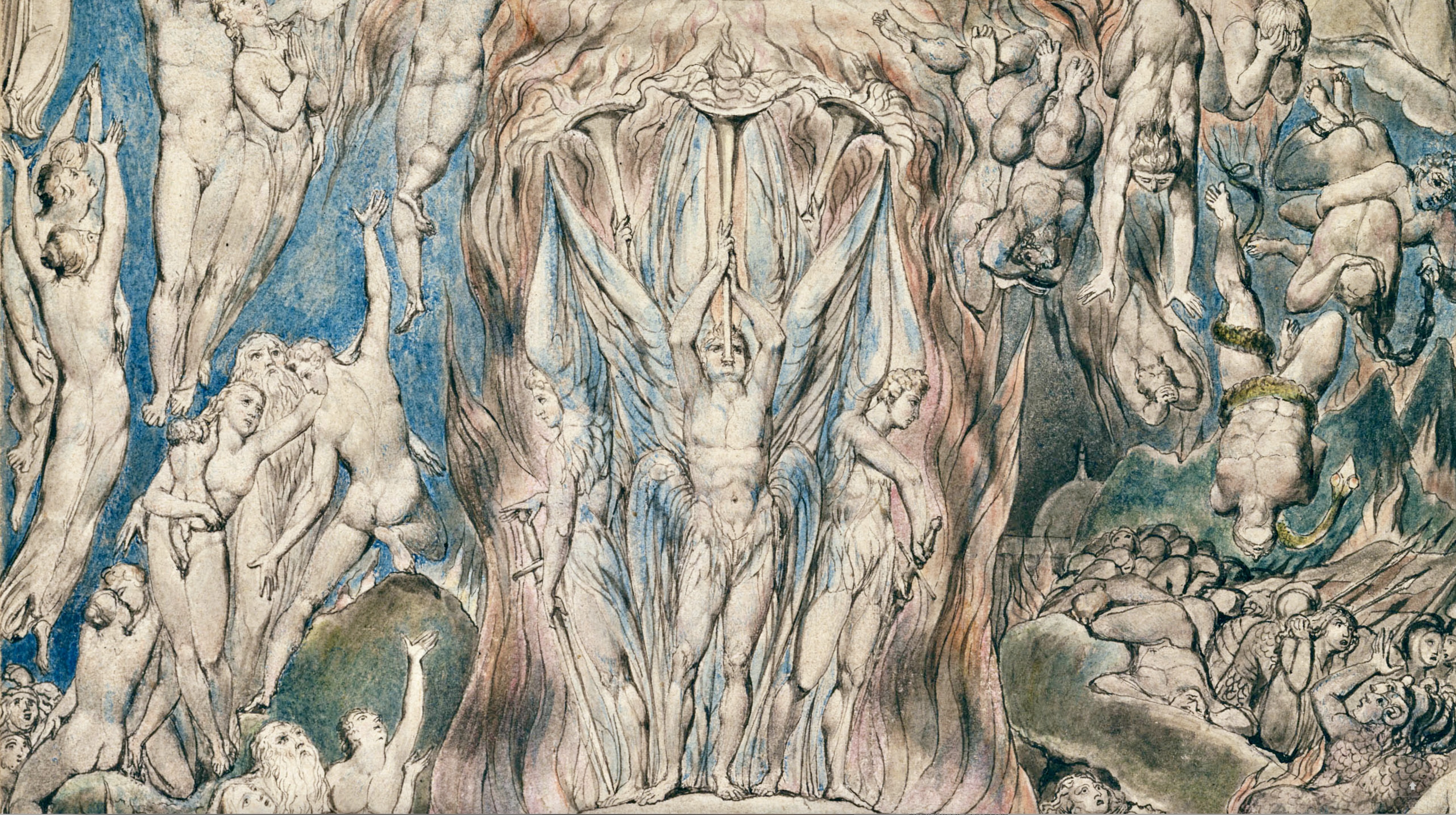
The old, or orthodox, version of The Last Judgment. This version is, both ironically and appropriately, itself the expression of the Judging power that has usurped its position in the human brain. (Image: ‘The Last Judgment’, or Il Giudizio Universale, by Michelangelo in the Sistine Chapel). As Damon notes, such a view of both Judgment and of Jesus (as Judge) “was utterly opposed to Blake’s belief in the character and teaching of Jesus”. As with his admiration for both Dante and Milton, whose work Blake celebrated but whose erroneous belief systems he corrected, Michelangelo’s imaginative power was an inspiration for Blake, but not a wholly uncritical one.

This shows how radically Blake has reinterpreted and indeed cast off the traditional meaning of the “Last Judgment”. Rather than denoting something that might happen at the end of linear time, or as a punishment, Blake suggests that it happens and is happening now (it is the ending of the linear time “program”), and instead of it referring to a process of accusation and condemnation, it is a release from all programs of accusation. Indeed, the end of linear time can never arrive for the left hemisphere, since to be identified with the left brain is to be inside the linear time construct. As Damon has observed: 
Read More

William Blake and the 27 Churches: From Creation to Apocalypse, by S. Foster Damon

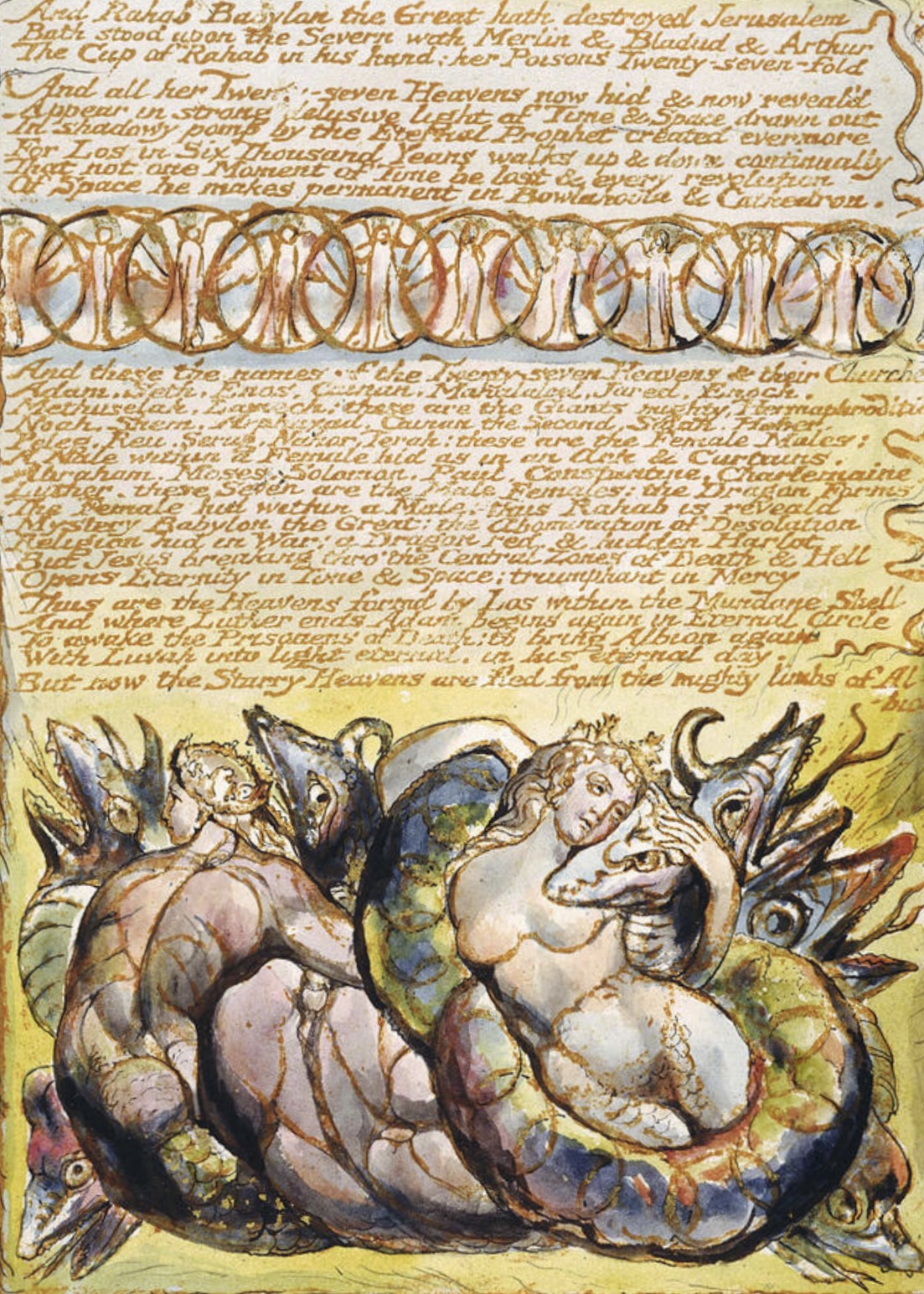
‘Religion Hid in War’: The Revelation of the Whore and the Beast

Screenshot 2022-09-18 at 21.41.19 2Screenshot 2022-09-18 at 21.13.11 2

Screen Shot 2021-05-10 at 10.39.26

Introduction: The Twenty-Seven States or “Churches” of Human History 

Screenshot 2022-09-18 at 21.41.19

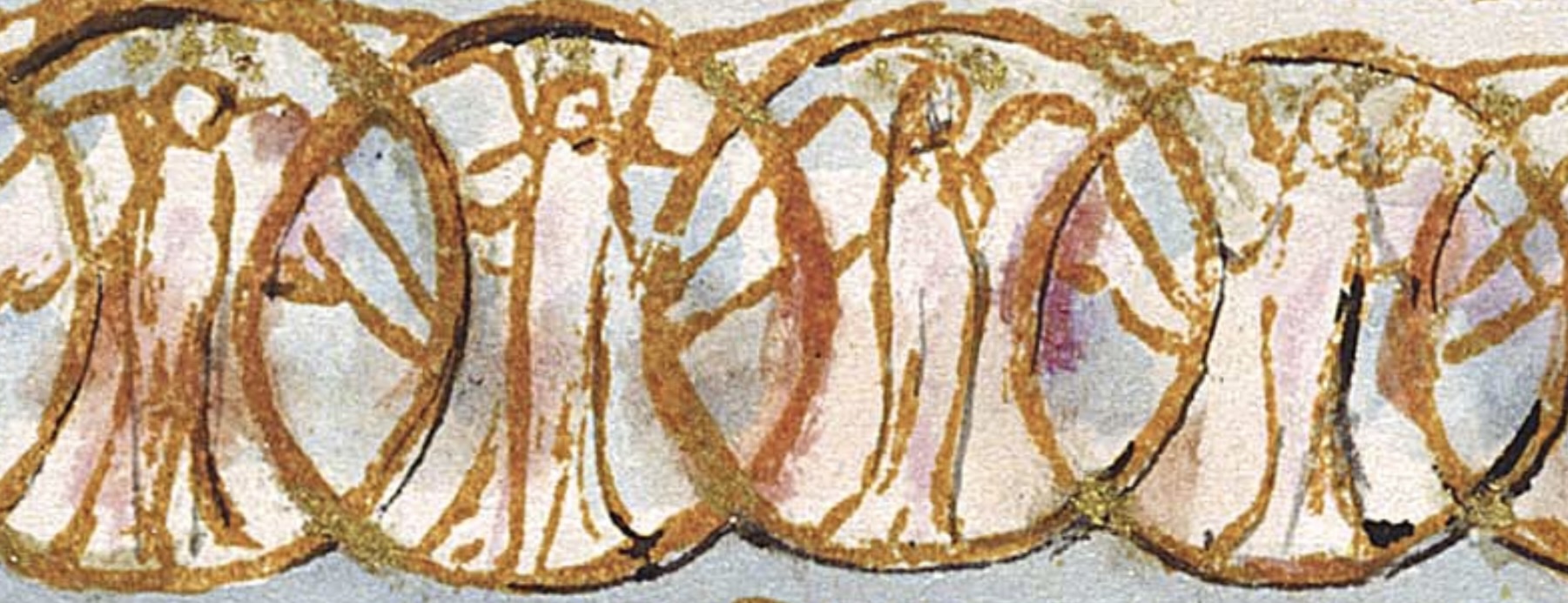
“the Twenty-Seven Heavens & their Churches”. The word “church” originally meant “circle” or “circus”, because early congregants gathered in a circle – as in the “church” of Stonehenge. These evolving “churches” denote the progression – like the wheels on a chariot – of human consciousness in its long journey towards liberation and imaginative uncovery. This journey has been recorded and embodied in all of the dominant religions and cultural narratives of human history, from Adam to Luther, suggesting that this story or evolution is both spiritual and political. It its fallen form (ie, to the rationalising, left brain mind and eye), these powerful revolving “heavens” appear to us as the literal, material “heavens” projected into the sky, with their cycles or circles similarly literal. The Babylonian Zodiac was an early and important stage in this fall within perception (zodiac, from Greek zodiakos, circle, and Zoa or zôion, “Living Beasts”, alluding to their true psychological origins within the Imagination).

The Twenty-Seven States, or Heavens, represent dogmatic Christianity in its successive aspects. They are to man’s spiritual life what the Mundane Shell (which contains them) is to his physical being: an enclosure which shuts him from Eternity. They are “Satan & Adam … States Created into Twenty-seven Churches” (Mil 32: 25). They are described in Milton 37:35–43 (after the analysis of paganism as the Twelve Gods of Asia) and in Jerusalem 75:10–26. 

Read More