A BLAKE NEW WORLD: The place of Sense Perception and Imagination in William Blake and Aldous Huxley

Aldous Huxley and the Doors of Perceiving
Screen Shot 2021-05-10 at 10.39.26

Introduction: Opening the Flower of Mescaline

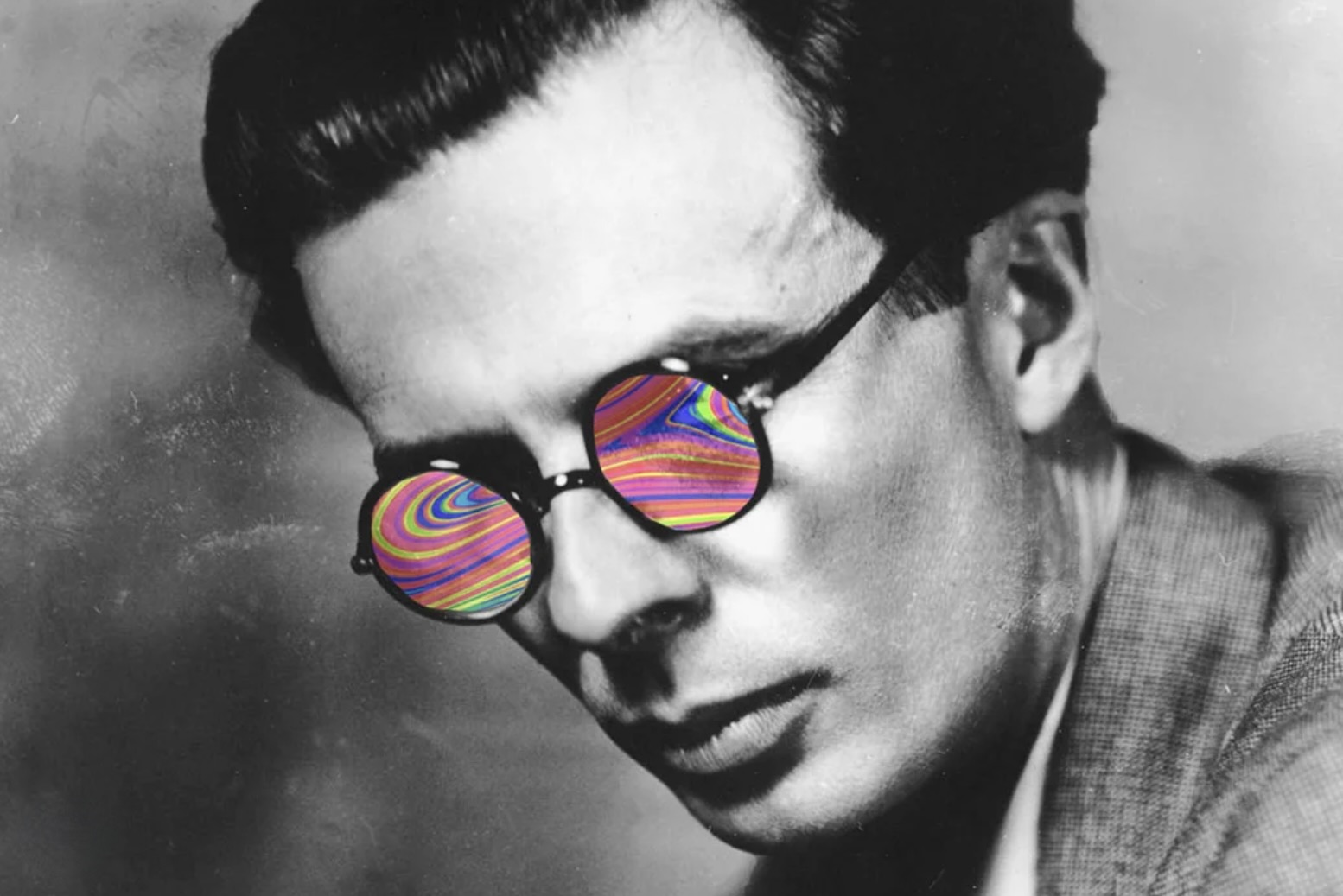
His interest piqued by psychological research on the drug, in 1953 Aldous Huxley swallowed four-tenths of a gram of mescaline with the hope that his experience would lead to a better understanding of the mind’s role in human perception.

Mescaline is a relatively innocuous hallucinogen found in several species of cacti, the most well-known being Peyote, a small plant that many of the native peoples of the American Southwest and Mexico respect as a divine gift. Western science has approached the drug’s effects more pragmatically, studying the chemical and psychological changes that accompany mescaline intoxication, but for the more personally-driven experimenter it has not lost its philosophical allure.
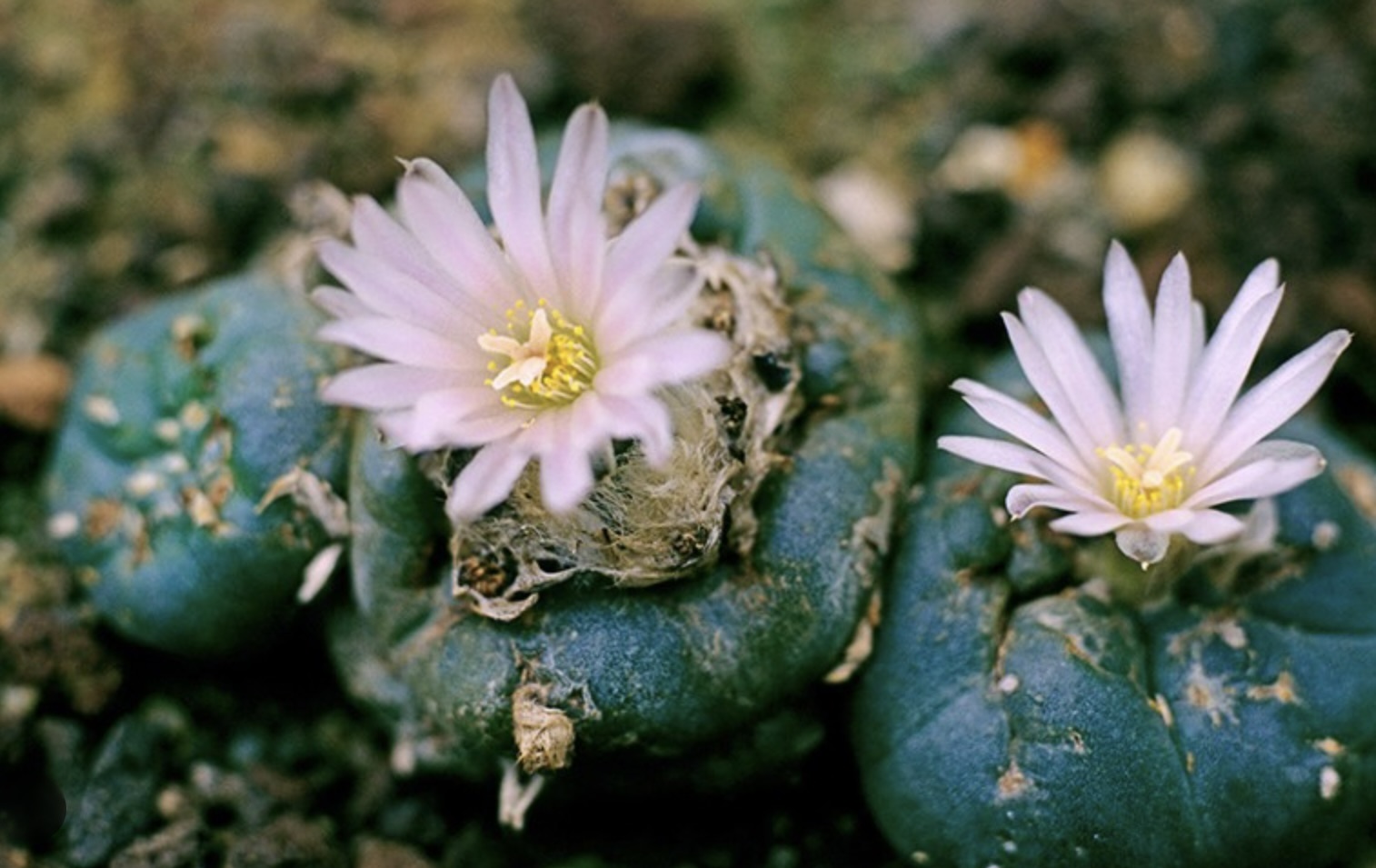
Heaven in a wild flower: Mescaline is a naturally occurring psychedelic that comes from the Mexican peyote cactus (Lophohora williamsii)
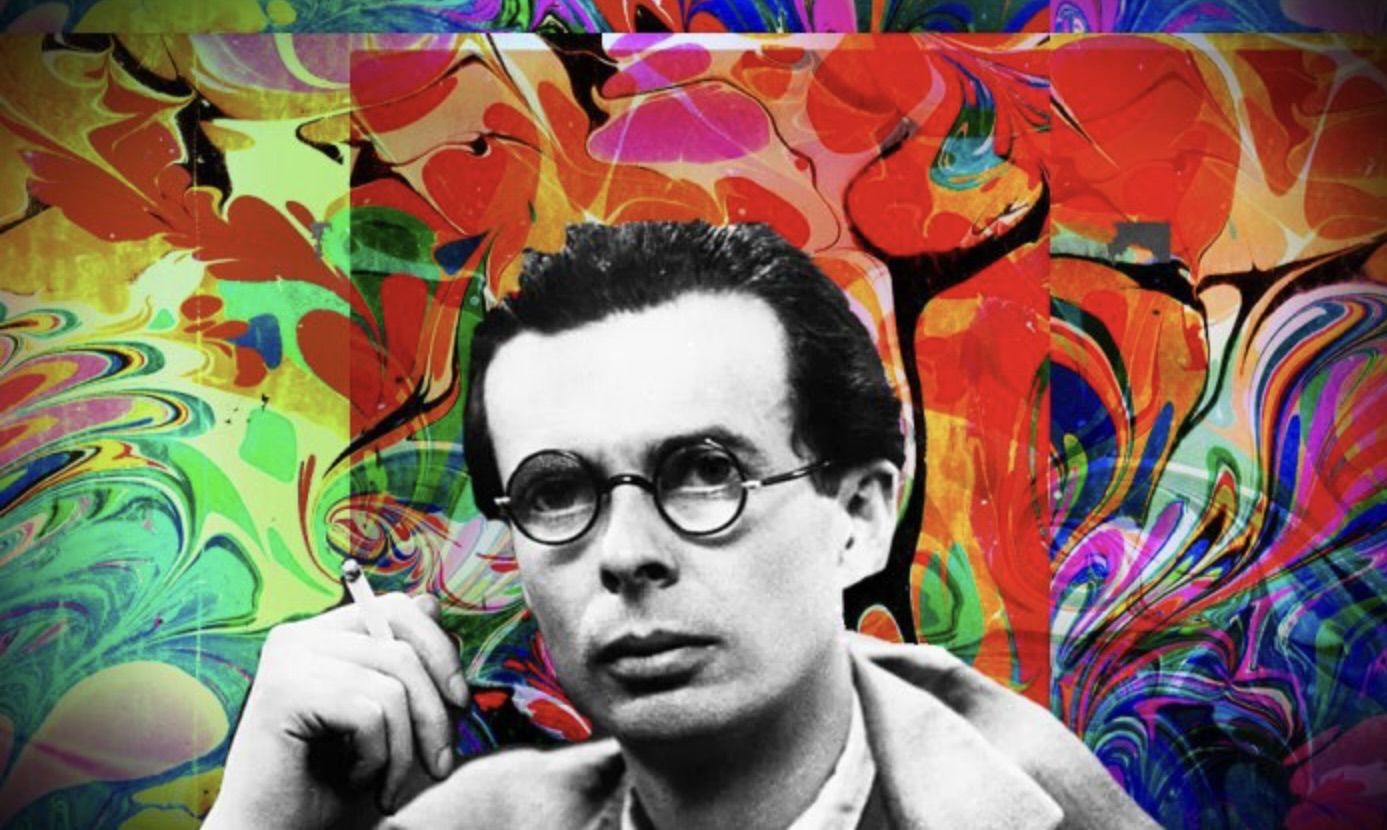
“This is how one ought to see, how things really are” – Aldous Huxley

Screen Shot 2021-05-10 at 10.39.26

Huxley approached his experiment conscious of both the scientific and philosophical issues surrounding the alteration of consciousness, and recorded his analysis of the experience in two short books, The Doors of Perception and Heaven and Hell. A discerning glance at the titles of these two works suggests a direct relationship with Blake’s The Marriage of Heaven and Hell, but the degree to which Blakean concepts actually form the foundation for Huxley’s reflections has not yet been thoroughly examined.

Read More

Logic and Mysticism: William Blake, Bertrand Russell, and Allen Ginsberg

The Way to Truth: The Lamb or the Tyger?

Screenshot 2022-03-01 at 12.30.31

The Ancient of Days over Bikini Atoll, where America exploded a massive hydrogen bomb in 1954. It was a thousand times more powerful than the atomic bomb dropped on Hiroshima. On witnessing the first detonation of a nuclear weapon on July 16, 1945, a piece of Hindu scripture ran through the mind of scientist Robert Oppenheimer: “Now I am become Death, the destroyer of worlds”

Screen Shot 2021-05-10 at 10.39.26

Introduction: Blake and Bertrand Russell

Screenshot 2022-03-01 at 14.50.18

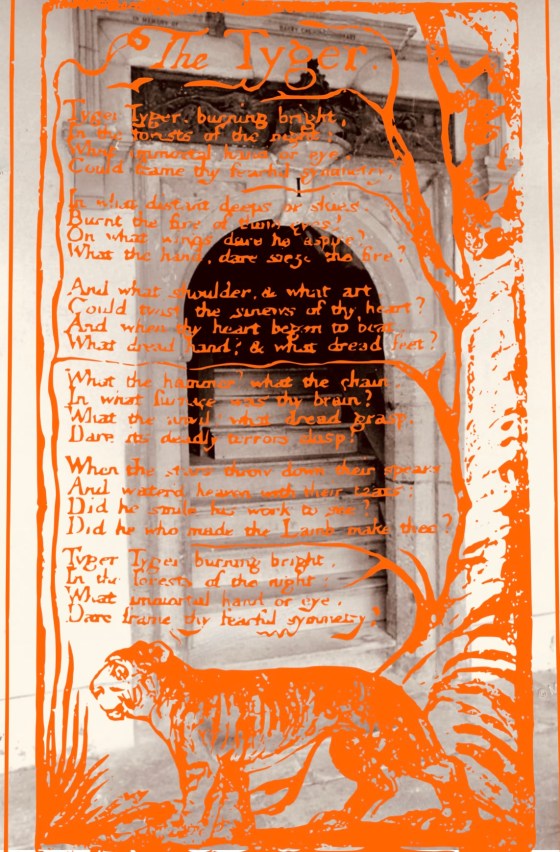
Entrance to the rooms Russell occupied as a Fellow of Trinity College, Cambridge University, where he first heard the sound of Blake’s Tyger.

In the first volume of his autobiography, Nobel Prize laureate Bertrand Russell recalled being stopped dead in his tracks while trying to descend a staircase in Trinity College Cambridge by his friend Crompton reciting Blake’s poem The Tyger. He wrote:

One of my earliest memories of Crompton is of meeting him in the darkest part of a winding College staircase and his suddenly quoting, without any previous word, the whole of “Tyger, Tyger, burning bright.” I had never, till that moment, heard of Blake, and the poem affected me so much that I came dizzy and had to lean against the wall.

The encounter with Blake’s Tyger seems to have made a lasting impression on the mathematician and philosopher. Russell returned to him again in his 1918 essay Mysticism and Logic, where he suggested that the search for truth could be reached both through hard science and pure speculation. In the essay Russell contrasts two “great men,” Enlightenment philosopher David Hume, whose “scientific impulse reigns quite unchecked,” and poet William Blake, in whom “a strong hostility to science co-exists with profound mystic insight.” It’s interesting that Russell chooses Blake for an example.

Read More

The Sleep of Imagination: William Blake and Edward Young’s ‘Night Thoughts’, by Michael Farrell

How the Sleep of Imagination produces Nature

Screen Shot 2021-07-13 at 14.42.56

Screen Shot 2021-07-13 at 14.42.35

Screen Shot 2021-05-10 at 10.39.26


Introduction: The Apocalypse of Reason 

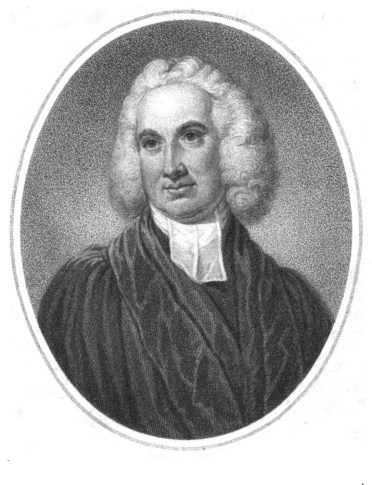
Edward Young (1683–1765)

Blake worked on illustrations for an edition of Edward Young’s Night Thoughts between 1795 and 1797, though he engraved only forty three of the five hundred and thirty seven water-colour designs he made for the poem. The first part of Young’s illustrated text, containing forty three of Blake’s engravings, was published in 1797. The enterprise was a commercial failure and the subsequent ‘Nights’ were never published.

Read More