The Magic of William Blake, by Philip Pullman
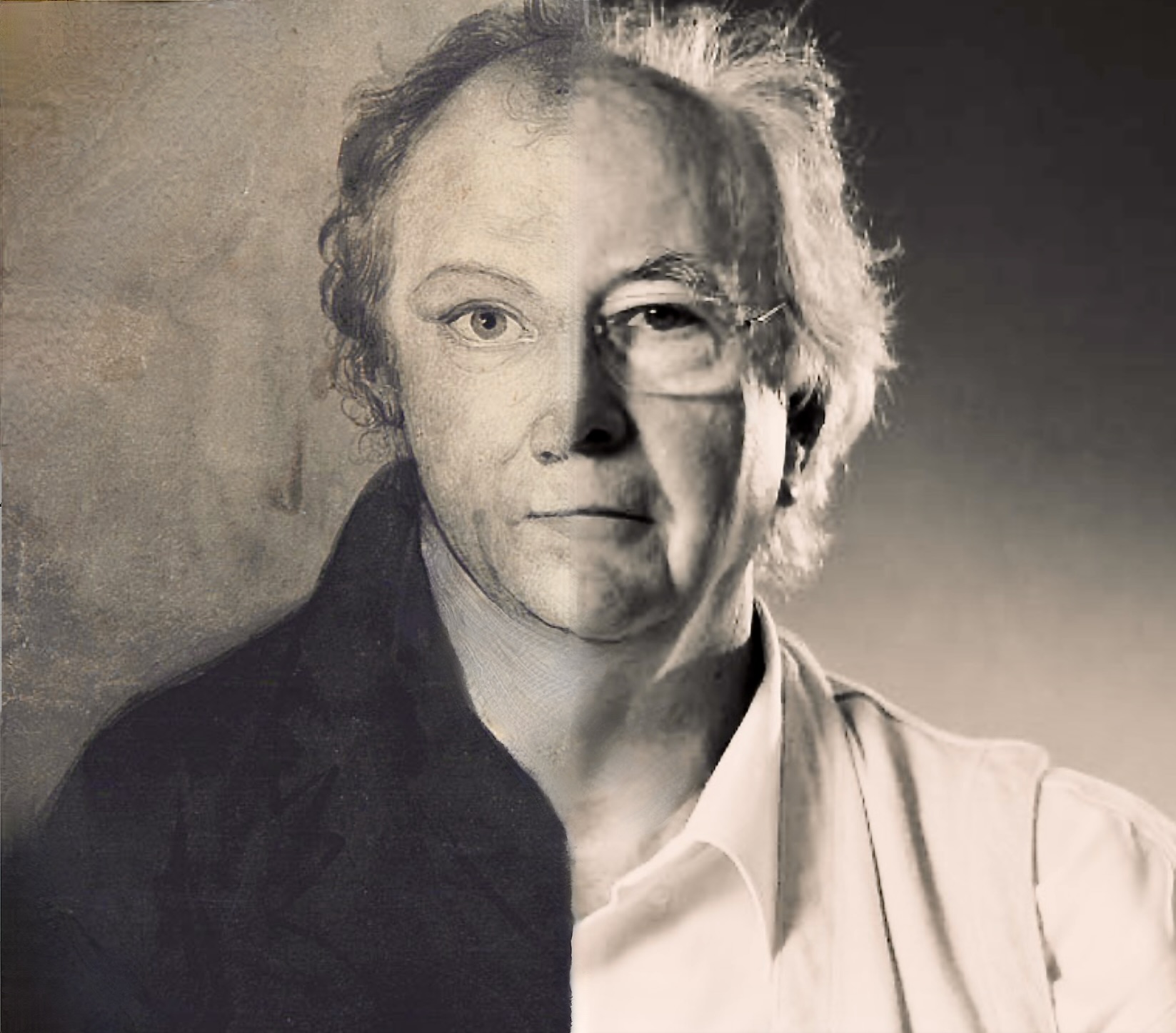
Philip Pullman reflects on how Blake’s poetry has influenced and intoxicated him for more than 50 years

Screen Shot 2021-05-10 at 10.39.26

Introduction: Unlocking the doors of perception

Sometimes we find a poet, or a painter, or a musician who functions like a key that unlocks a part of ourselves we never knew was there. The experience is not like learning to appreciate something that we once found difficult or rebarbative, as we might conscientiously try to appreciate the worth of The Faerie Queene and decide that yes, on balance, it is full of interesting and admirable things. It’s a more visceral, physical sensation than that, and it comes most powerfully when we’re young. Something awakes that was asleep, doors open that were closed, lights come on in all the windows of a palace inside us, the existence of which we never suspected.
Read More

Opening the Doors: William Blake, Jack Kerouac, Allen Ginsberg, and the Beat Generation

Howl: The War of this World against Vision and Imagination

Screenshot 2022-02-27 at 16.13.12 4

Screenshot 2022-02-23 at 09.39.58

Old New York

Screenshot 2022-02-23 at 12.18.27-OK

Screen Shot 2021-05-10 at 10.39.26

Introduction: Blake & the Beats

Screenshot 2022-02-23 at 10.35.06 2

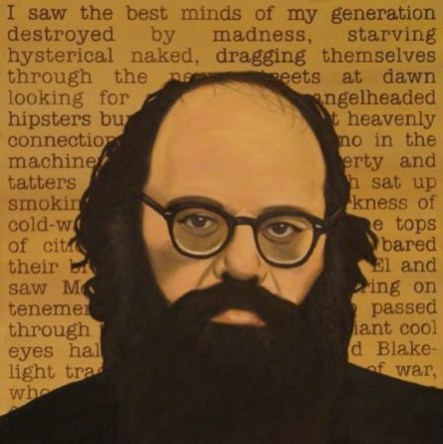
Allen Ginsberg (1926–1997) in front of the opening lines of Howl, referencing Blake in its opening section

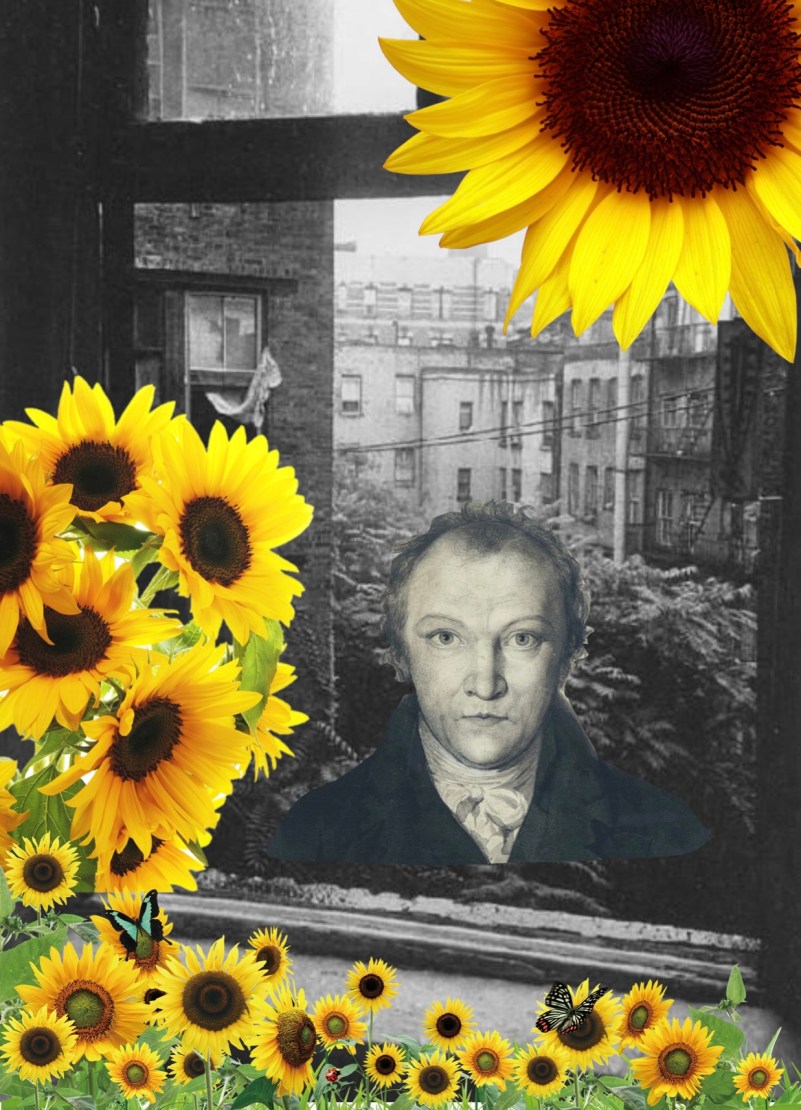
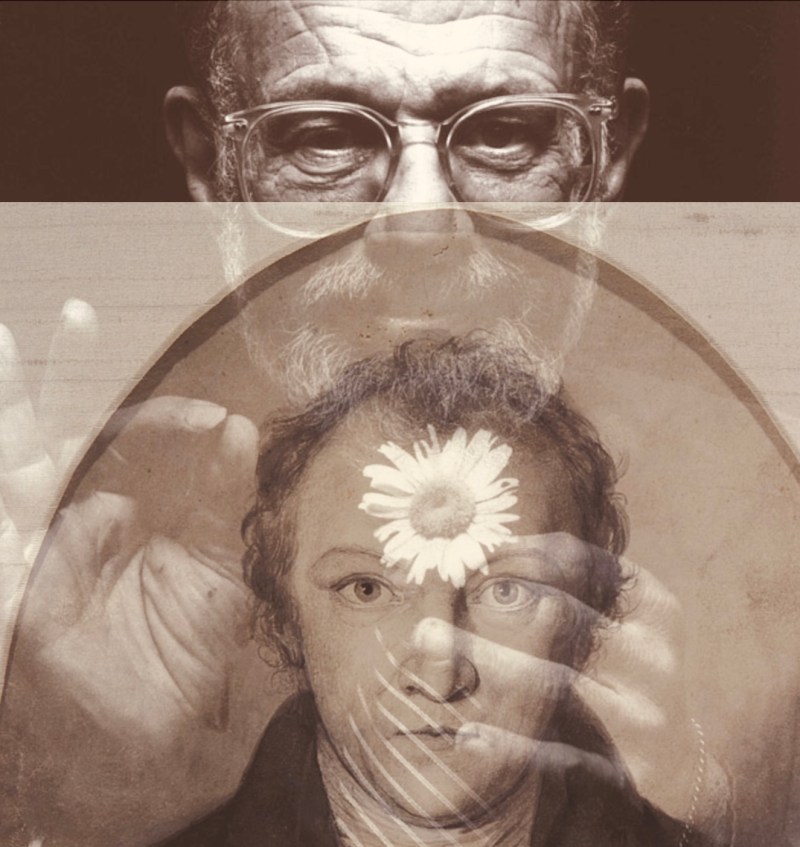
William Blake’s influence on the Beat Generation is arguably more significant than that of any other writer or artist. Most notably he was Ginsberg’s “guru” and the “catalyst” for his poetry, and even warranted a mention in “Howl”. Blake supposedly appeared to Ginsberg in 1945 and read “Ah Sun-flower”, and again in 1948 when Ginsberg was reading “The Sick Rose”. He explained,

I was never able to figure out whether I was having a religious vision, a hallucinatory experience, or what, but it was the deepest ‘spiritual’ experience I had in my life, and determined my karma as poet. That’s the-key pivotal turnabout of my own existence. That’s why I was hung up on setting Blake to music.

Visions were important to Blake, who claimed that his poetry was not necessarily a work that he created, but something channeled through him. He referred to himself as a “true Orator” and claimed that poetry came from a voice that he simply wrote down.

Read More