The Magic of William Blake, by Philip Pullman
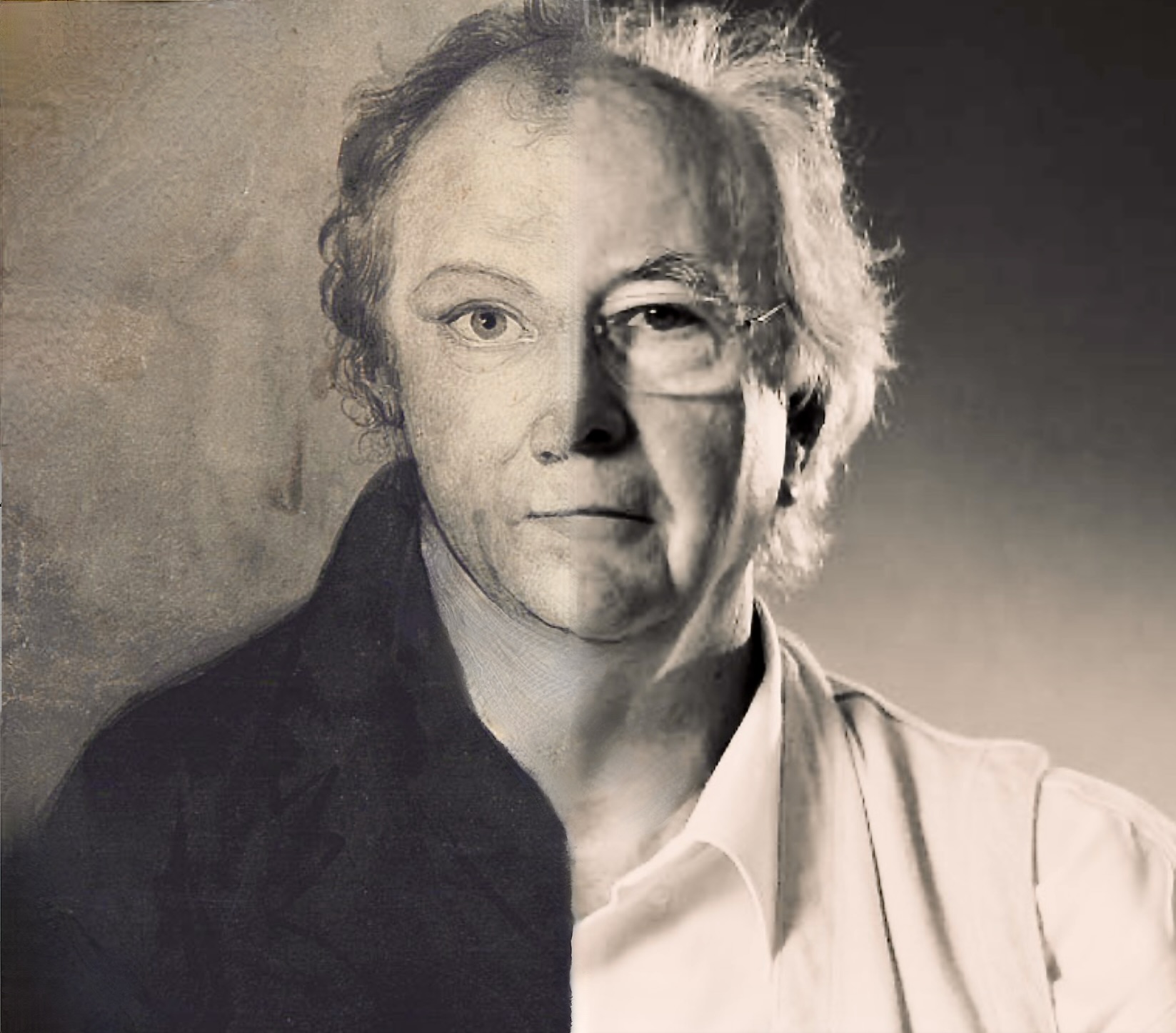

Introduction: Unlocking the doors of perception
Sometimes we find a poet, or a painter, or a musician who functions like a key that unlocks a part of ourselves we never knew was there. The experience is not like learning to appreciate something that we once found difficult or rebarbative, as we might conscientiously try to appreciate the worth of The Faerie Queene and decide that yes, on balance, it is full of interesting and admirable things. It’s a more visceral, physical sensation than that, and it comes most powerfully when we’re young. Something awakes that was asleep, doors open that were closed, lights come on in all the windows of a palace inside us, the existence of which we never suspected.

 thehumandivinedotorg