A BLAKE NEW WORLD: The place of Sense Perception and Imagination in William Blake and Aldous Huxley

Aldous Huxley and the Doors of Perceiving
Screen Shot 2021-05-10 at 10.39.26

Introduction: Opening the Flower of Mescaline

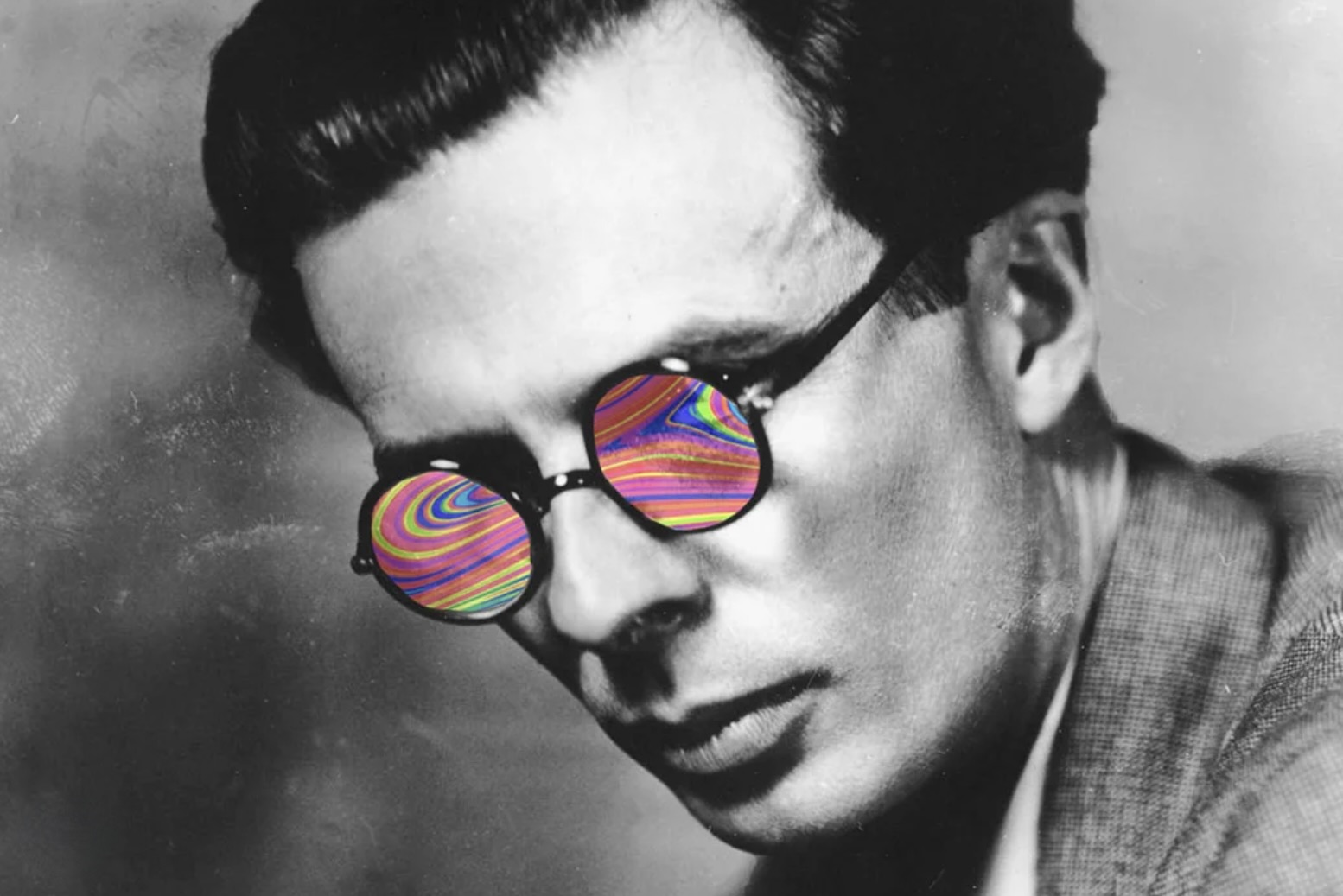
His interest piqued by psychological research on the drug, in 1953 Aldous Huxley swallowed four-tenths of a gram of mescaline with the hope that his experience would lead to a better understanding of the mind’s role in human perception.

Mescaline is a relatively innocuous hallucinogen found in several species of cacti, the most well-known being Peyote, a small plant that many of the native peoples of the American Southwest and Mexico respect as a divine gift. Western science has approached the drug’s effects more pragmatically, studying the chemical and psychological changes that accompany mescaline intoxication, but for the more personally-driven experimenter it has not lost its philosophical allure.
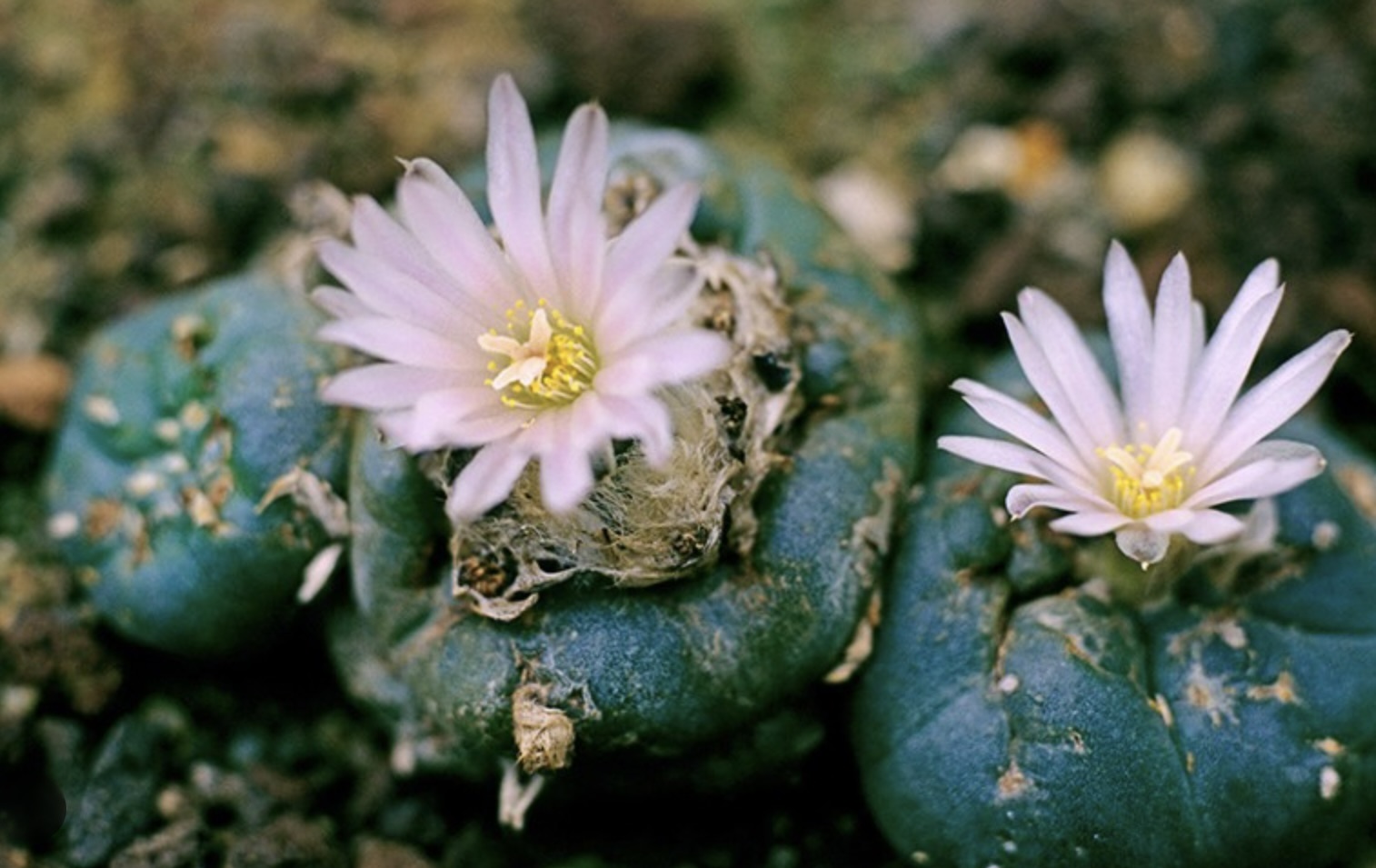
Heaven in a wild flower: Mescaline is a naturally occurring psychedelic that comes from the Mexican peyote cactus (Lophohora williamsii)
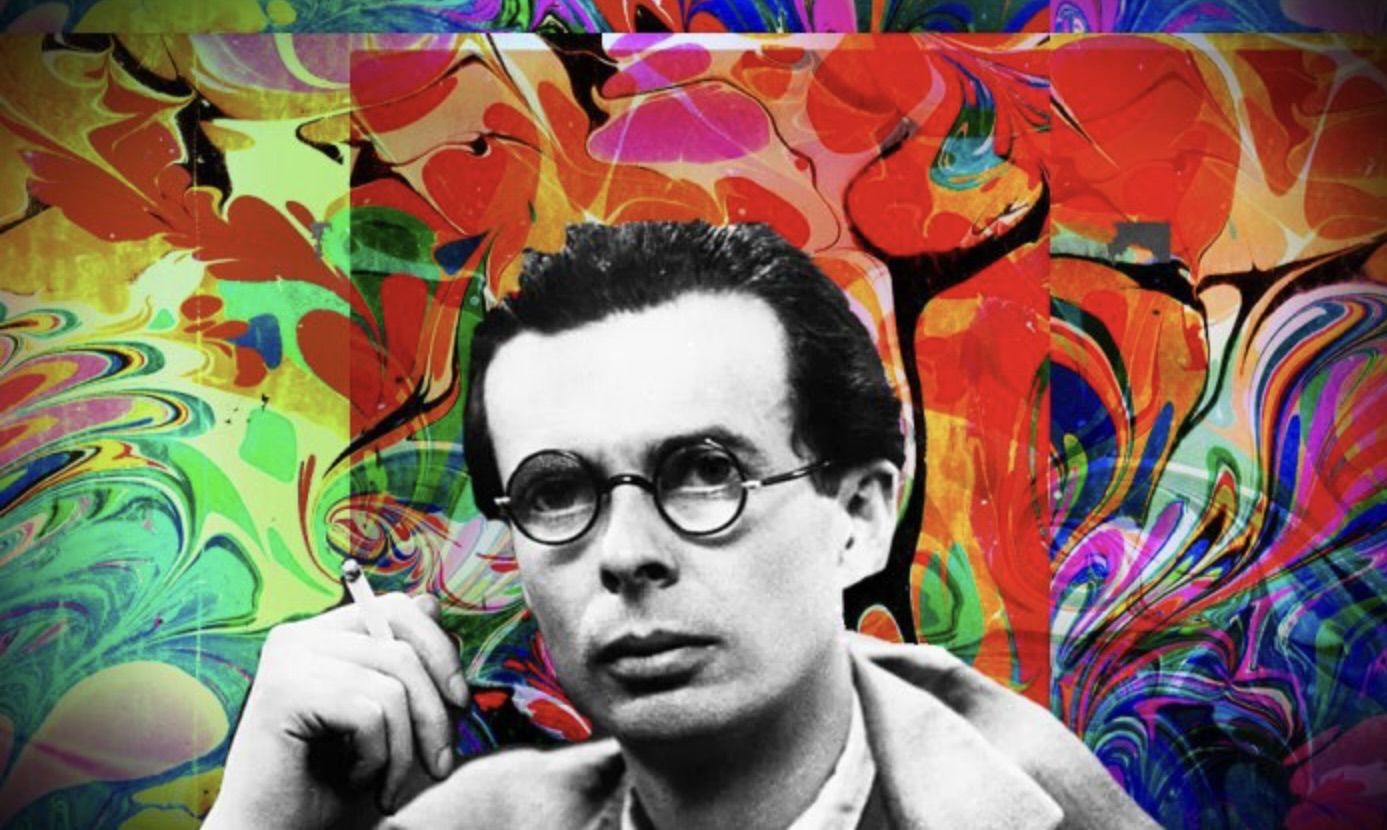
“This is how one ought to see, how things really are” – Aldous Huxley

Screen Shot 2021-05-10 at 10.39.26

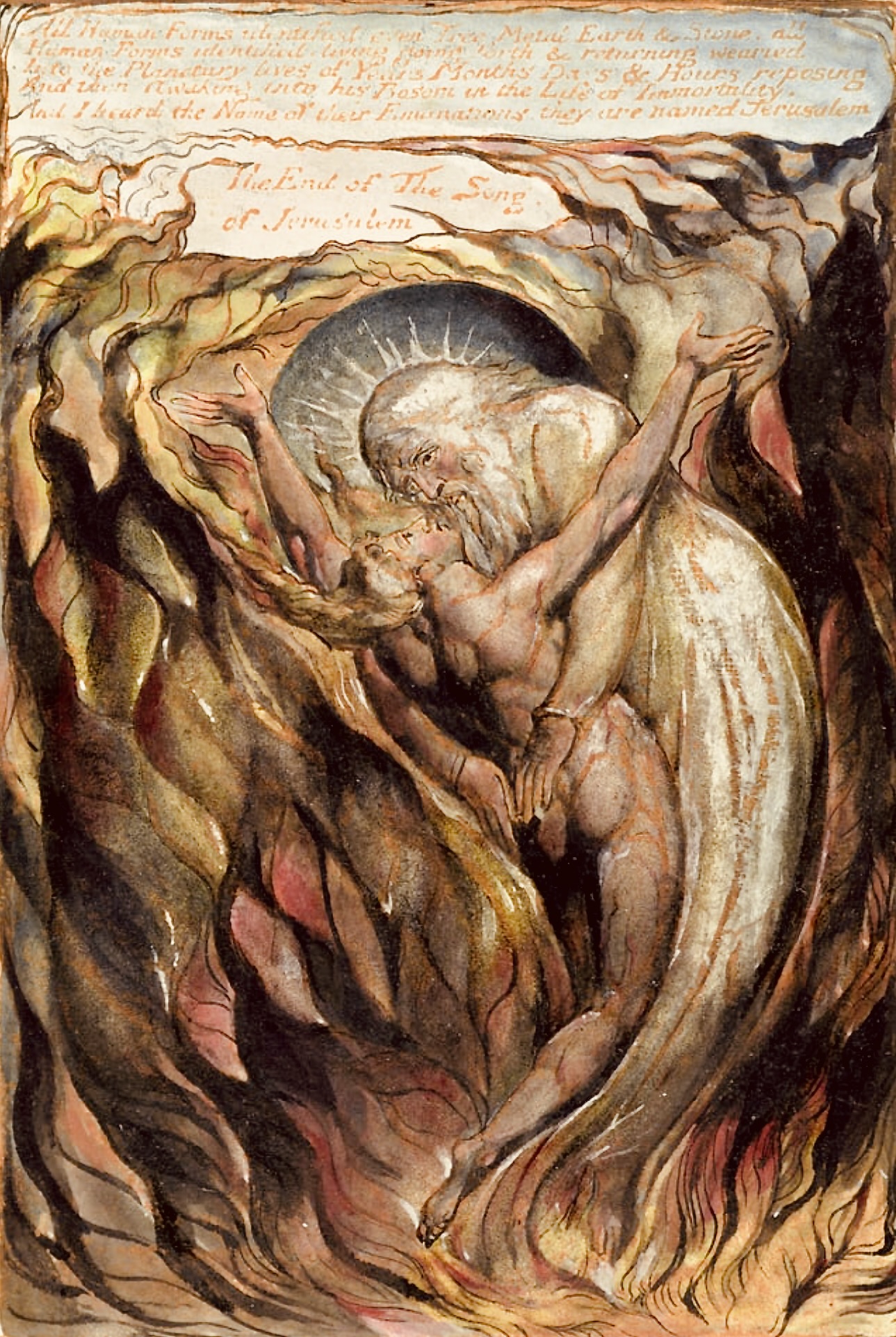
Huxley approached his experiment conscious of both the scientific and philosophical issues surrounding the alteration of consciousness, and recorded his analysis of the experience in two short books, The Doors of Perception and Heaven and Hell. A discerning glance at the titles of these two works suggests a direct relationship with Blake’s The Marriage of Heaven and Hell, but the degree to which Blakean concepts actually form the foundation for Huxley’s reflections has not yet been thoroughly examined.

Read More

Divine Imagination: Correlations Between the Kabbalah and the Works of William Blake, by Mikell Waters Brown

Screen Shot 2021-05-10 at 10.39.26

Introduction: Adam Kadmon

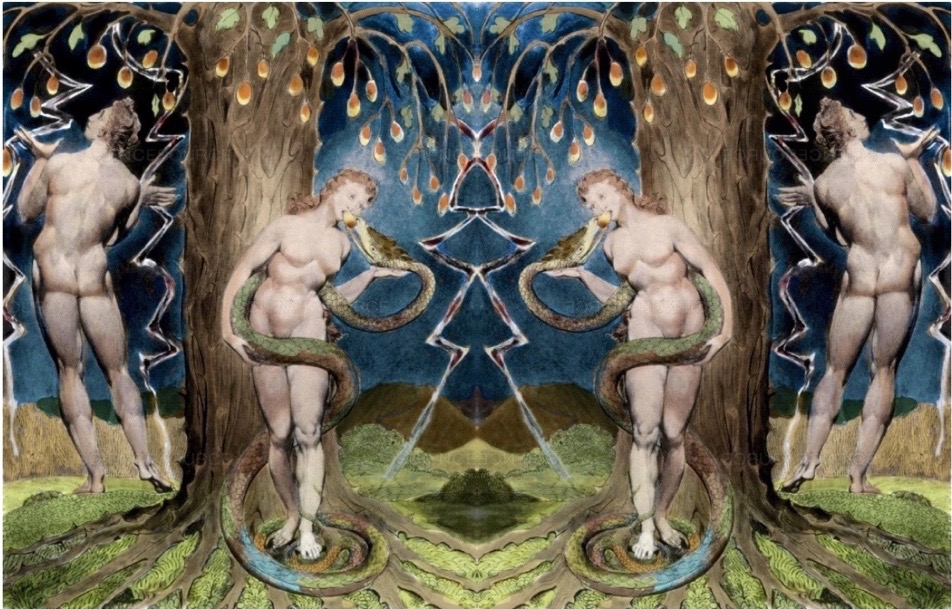
The Dance or Albion, also called Glad Day and Albion Rose, is arguably William Blake’s most recognizable image, at least in terms or his pictorial output. It is a potent and joyous evocation of spiritual ascendancy and as such it provides an excellent starting place for our examination of Blake’s visionary and often obscure iconography.

Read More

Gender and Perception: William Blake and the Fall into Male and Female, by Northrop Frye

The Illusion of Objectivity and the Division of Perceived and Perceiver

Screenshot 2022-08-22 at 22.58.06 2Screenshot 2022-08-22 at 21.23.32Screenshot 2022-08-22 at 22.46.14

Screen Shot 2021-05-10 at 10.39.26

Introduction: Gender and Perception 

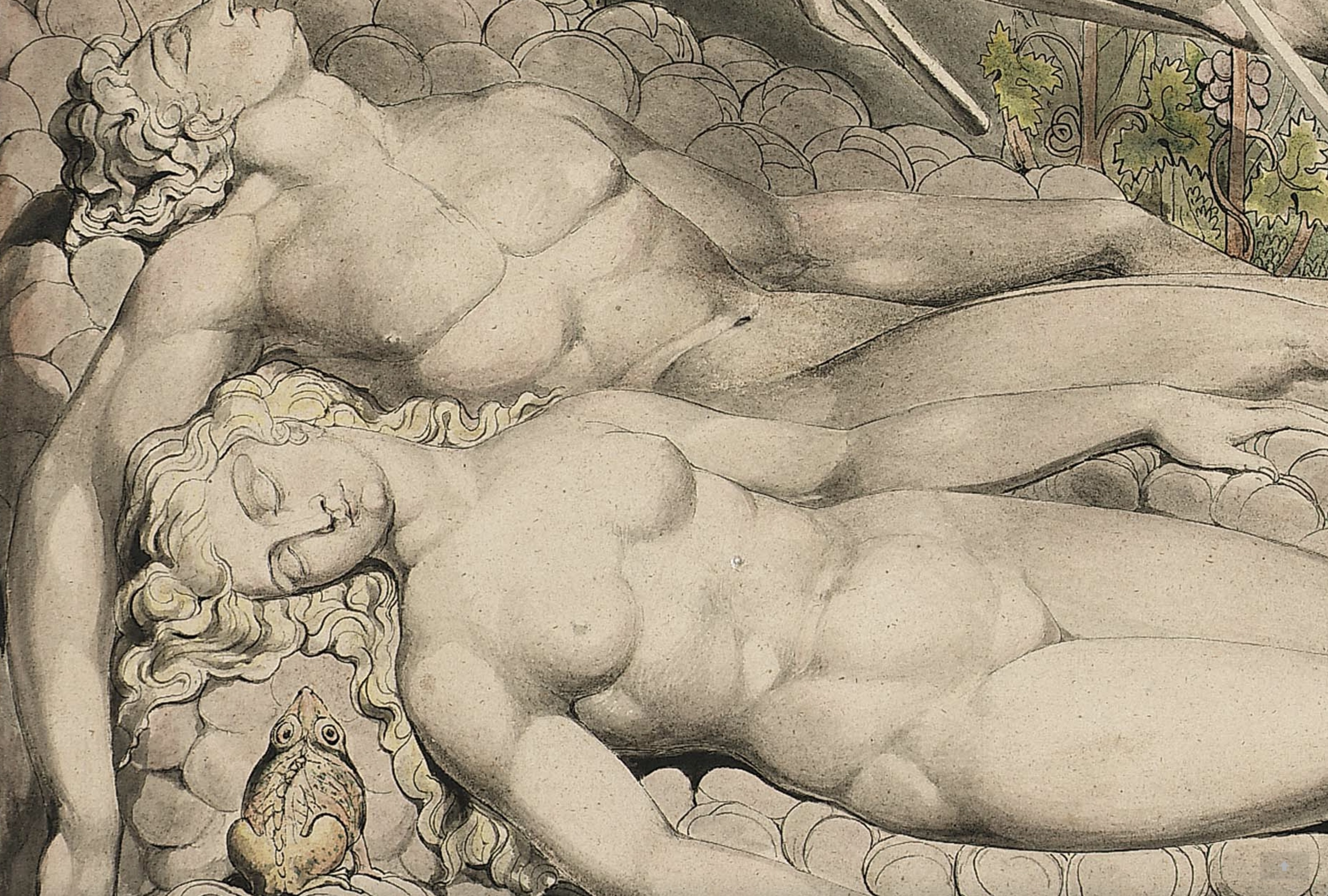
There are several accounts of the Fall in Blake but the invariable characteristic of them is Albion’s relapse from active creative energy to passivity. This passivity takes the form of wonder or awe at the world he has created, which in eternity he sees as a woman. The Fall thus begins in Beulah, the divine garden identified with Eden in Genesis. 

Once he takes the fatal step of thinking the object-world independent of him, Albion sinks into a sleep symbolizing the passivity of his mind, and his creation separates and becomes the “female will” or Mother Nature, the remote and inaccessible universe of tantalizing mystery we now see. Love, or the transformation of the objective into the beloved, and art, or the transformation of the objective into the created, are the two activities pursued on this earth to repair the damage of the Fall, and they raise our state to Beulah and Eden respectively. 

Read More

Blake and Zoroastrianism, by Mary Jackson

Ahriman and Ormazd: The Creation of Urizen and the Billateral Mind

img_1127459_36102374_0 (1)

Screen Shot 2021-11-02 at 17.46.49

Screen Shot 2021-05-10 at 10.39.26

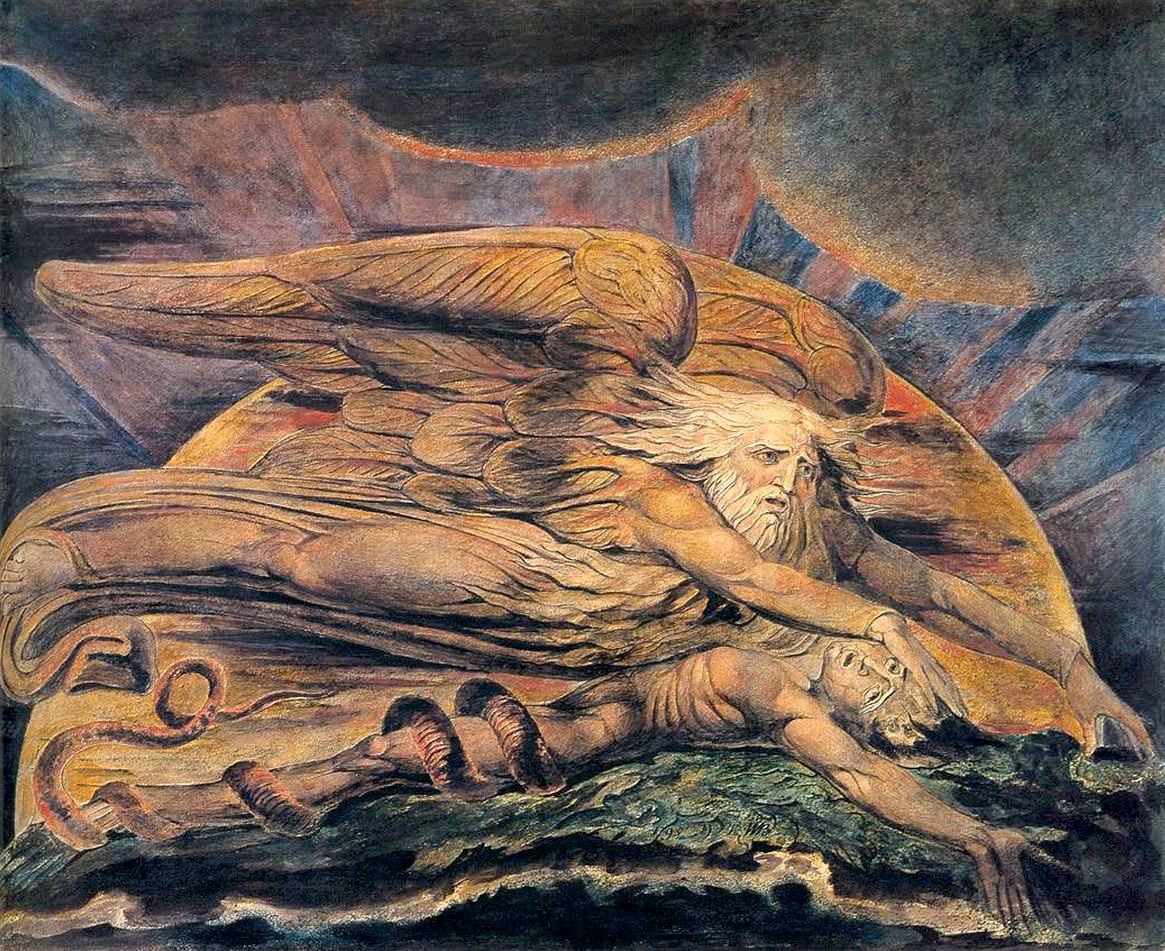
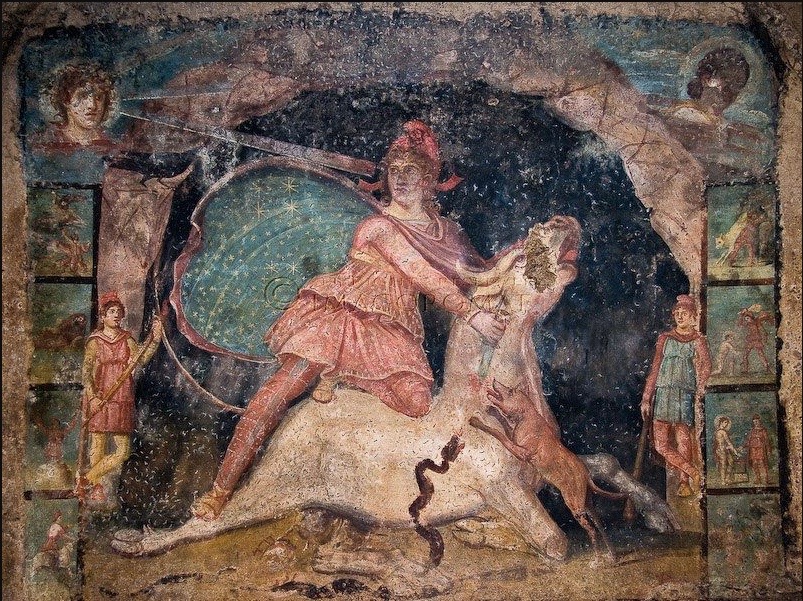
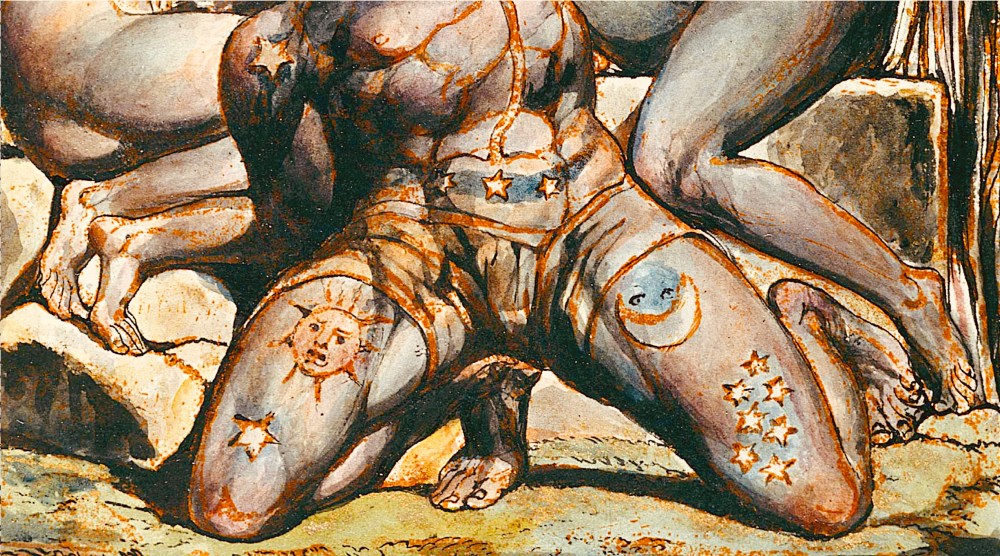
There is considerable evidence that Blake was influenced by Zoroastrian and Mithraic iconography in several illuminations for his and other’s poetry. When one compares the figures of god and daeva (diabolical spirit) with Blake’s drawings and engravings, the sheer number of parallels argues convincingly for some form of influence. Were there no other data than this to prove that Blake may have incorporated elements of representations of the bull-slaying ritual, of Arimanes or Ahriman, god of dark, and Ormazd, god of light, into his visual art, the evidence would seem persuasive.

Read More

How Morality Damns Us: Blake and the Tree of Good and Evil, by Erik McCarthy

Going Beyond Good & Evil: Restoring Eden in the Brain 

Screen Shot 2021-06-29 at 15.24.05

Screen Shot 2021-06-29 at 15.13.37-thisScreen Shot 2021-06-29 at 19.42.36

Screen Shot 2021-05-10 at 10.39.26

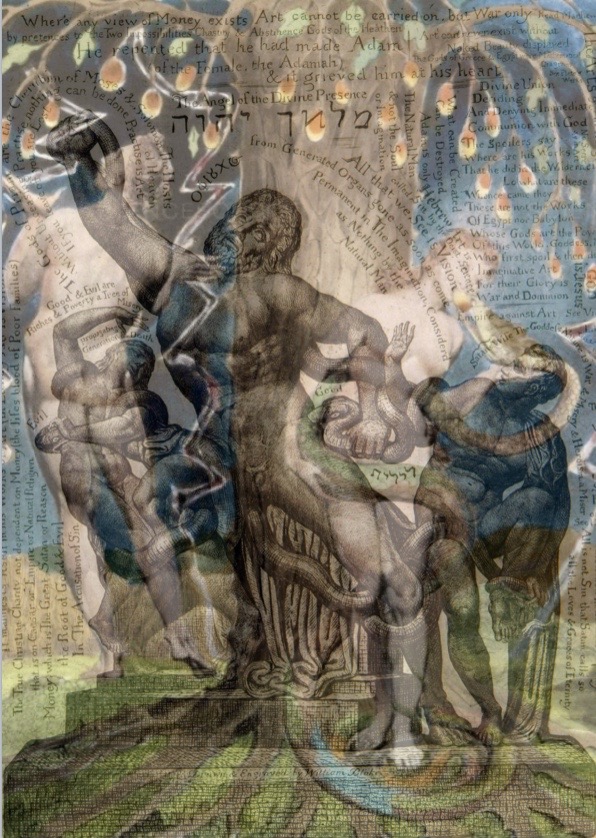
Introduction: Blake’s Laocoön and the serpents of Morality 

Screen Shot 2021-03-02 at 21.57.19

The original Laocoön. In Blake’s reading, the serpents overcoming the priest represent the twin Powers or programs of “Good” and “Evil”, which eventually suffocate him, and his vision of God.

The question, and questioning, of morality, is central to one of Blake’s most iconic and futuristic images, the Laocoön. Even though Blake’s best-known works often combine image and text in a single plate, the Laocoön stands apart as the only one to be centered around a faithful copy of a piece of antique sculpture, a fact which attests to its hold on his imagination.

Another arresting feature of the plate is the atypical density of its textual matter, composed in at least two distinct scripts and three different languages, and the seemingly arbitrary, discontinuous manner of its arrangement on the page. Julia Wright observes, “the design recalls a jigsaw puzzle more than a page from an emblem book, graffiti more than an engraving, and marginal annotations more than aphorisms on art” . 

It resembles no other work by Blake, and he left no instructions on how his wide-ranging statements should be organized, or in what order they should be read. Without an obvious starting point, one could try a conventional approach, beginning with the first line of horizontal text at the top of the page: “Where any view of Money exists Art cannot be carried on but War only”; but then one could just as well start at the bottom, with the caption identifying the three figures as “הי & his two sons Satan & Adam.” Either way, the reader is sure not to get far before having to stop and decide where to begin again; and from there one choice seems as good as another.

Read More

Job’s Gethsemane: William Blake and the Problem of Suffering, by Penelope Minney

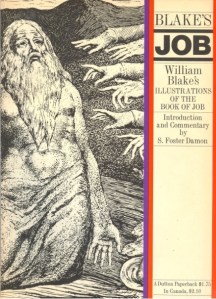
Tradition and Imagination in William Blake’s Illustrations for the Book of Job

Suffering into Wisdom: If Oedipus was the key figure for the 20th Century then Job is the archetypal figure for the 21st century, embodying the awakening into the social and the imaginative nature of self, through the collapse of ego and the experience of trauma and suffering


Introduction

“Previous studies have concentrated on the engraved set, and no one has explored the implications of the earlier dating now agreed for the watercolour series.”

Blake created two versions of his Illustrations of the Book of Job, and it is now agreed that about twenty years separates his first watercolour series and the final engraved set of plates. The first (‘Butts’) series of water-colours was the product of the tumultuous and creative years 1805-10, following a time when Blake experienced a strong sense of vision and Christian regeneration; whereas the engraved set was produced 1821-1826, at the end of his life.

This article explores Blake’s treatment of the Job theme, in which the ‘friends-turned-accusers’ seem to have been a central pre-occupation. Blake’s illustrations contain important elements which are not found in the Old Testament text, and I consider Blake’s imaginative use of this material, exploring in particular the importance to Blake of St.Teresa, Fenelon, Mme. Guyon, Hervey and other people of ‘prayer’.

Blake’s Job was unique in the corpus of his work. Previous studies have followed Wicksteed in concentrating on the engraved set, and no one has explored the implications of the earlier dating now agreed for the watercolour series. The thesis is essentially concerned with Blake’s Christocentric theme, and Job’s inner journey of prayer, in these illustrations.

Read More