The Magic of William Blake, by Philip Pullman
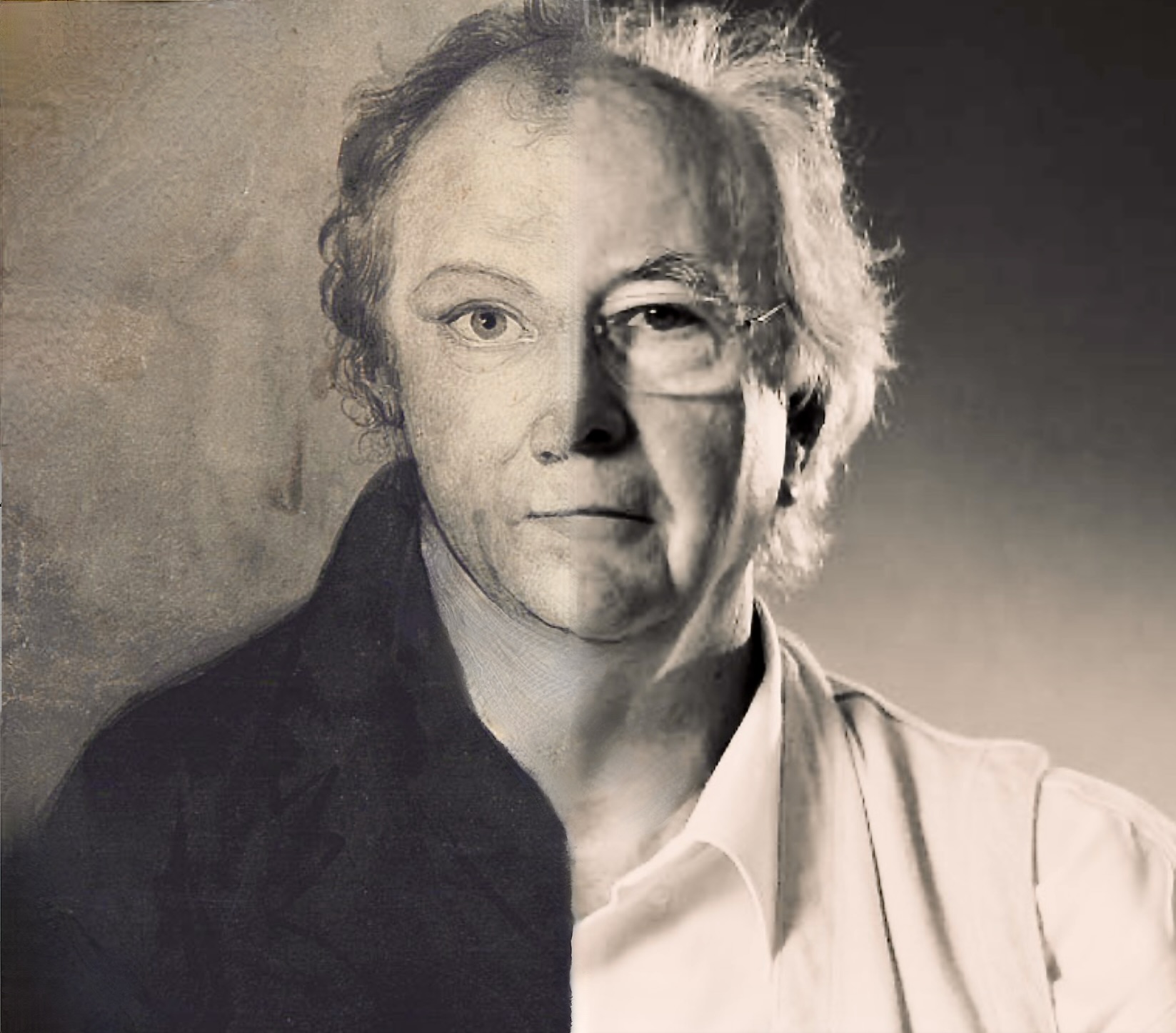
Philip Pullman reflects on how Blake’s poetry has influenced and intoxicated him for more than 50 years

Screen Shot 2021-05-10 at 10.39.26

Introduction: Unlocking the doors of perception

Sometimes we find a poet, or a painter, or a musician who functions like a key that unlocks a part of ourselves we never knew was there. The experience is not like learning to appreciate something that we once found difficult or rebarbative, as we might conscientiously try to appreciate the worth of The Faerie Queene and decide that yes, on balance, it is full of interesting and admirable things. It’s a more visceral, physical sensation than that, and it comes most powerfully when we’re young. Something awakes that was asleep, doors open that were closed, lights come on in all the windows of a palace inside us, the existence of which we never suspected.
Read More

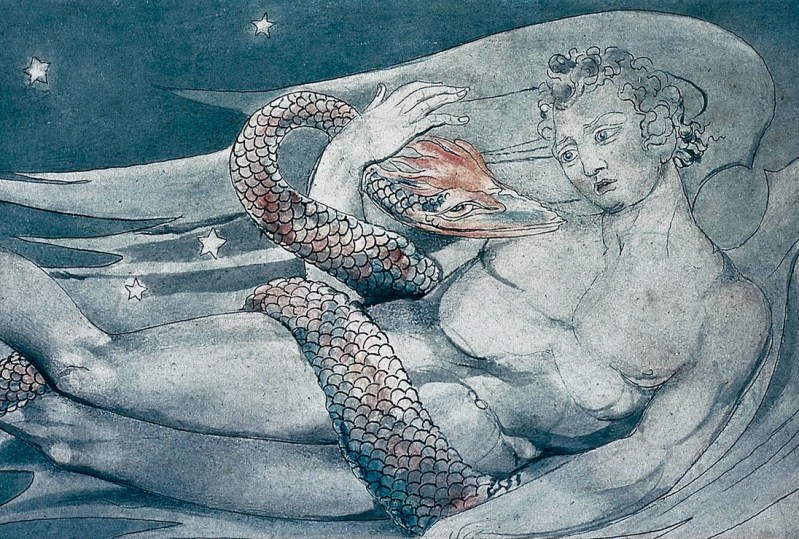
Blake’s Snakes: The Image of the Serpent in Blake’s Vision

The Symbol of Symbolism: Unravelling the form and nature of the underlying Energy


Introduction: Entering the Serpent

Sometimes it’s good just to look at Blake’s images, and let them approach you, without any verbal text, theory, or explanation.  An encounter with their other-ness. Over the next few weeks this site will be posting a number of articles exploring the meaning and importance of the symbol of the serpent in Blake’s work, which weaves throughout his vision, and twists and turns throughout his images. 

Read More

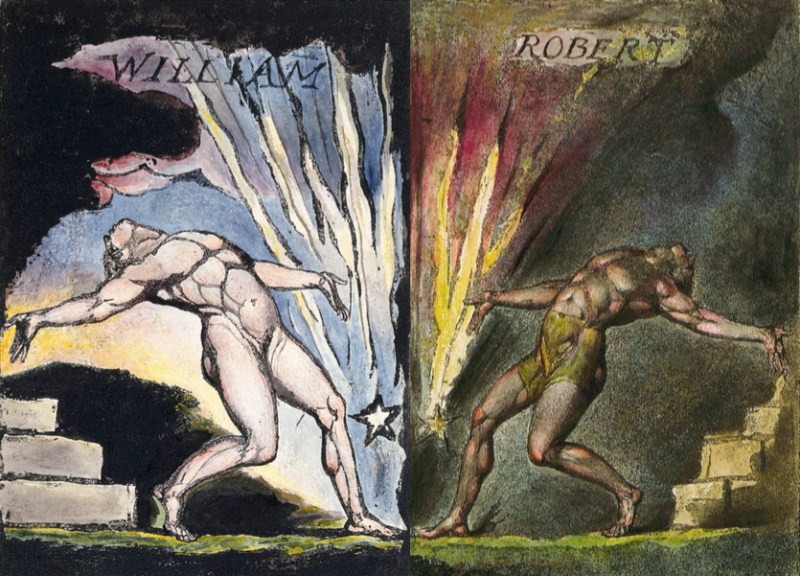
The influence of Jacob Boehme on the work of Blake, by Bryan Aubrey

Blake, Boehme, and Left Brain Verstand 

robert-jpeg

Boehme’s influence on Blake, although often acknowledged, is frequently underestimated and has never been comprehensively investigated. Much modern criticism regards Blake’s work as non-transcendental, even secular. This is partly a reaction against earlier criticism, which was more sympathetic to Blake’s connection with the mystical tradition. The argument of this article, however, is that Boehme exerted a continuous and pervasive influence on Blake, and that recognition of this can illumine some of the most difficult and contradictory elements in Blake’s work. These include the attitude to the body and the senses, and the metaphysical status of the selfhood and the created world.

Boehme’s system represents a synthesis of many different currents of thought, including the Dionysian via negativa, the Hermetic tradition, the Kabbalah and the Lutheran faith. It is emphasized, however, that his philosophy arose from intense mystical experience rather than academic study, and that he chose to express it in symbolic and mythological terms rather than rational concepts.

Read More
