TIANANMEN, by Rod Tweedy
Commemorating the 30th Anniversary of the Tiananmen Square Massacre
My song to mark the massacre that happened in Tiananmen Square on 4th June 1989.
On June 4 1989 the Chinese government sent tanks and troops to open fire on thousands of students who were occupying Tiananmen Square in Beijing. Hundreds, maybe thousands were killed or injured. We do not know, because the government has never released the figures. We do know it responded to the student demand for greater democracy with tanks and live bullets.
The occupation of Tiananmen Square was the culmination of a democracy movement which had been gathering pace in China throughout the 1980s and which came to ahead in the spring of 1989.
In the 30 years since, the government of the People’s Republic of China has sought to erase this event from their history. Across the world efforts are made to ensure it does not succeed.

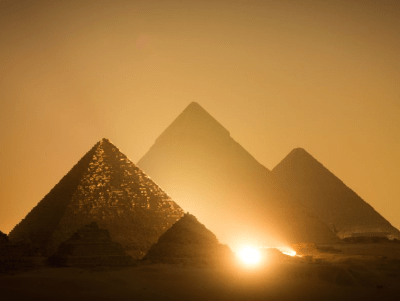 In considering the relationships between Plato, shamanism and ancient Egypt, I am going to be questioning some deep-seated assumptions held both within Egyptology and in the history of ideas, which also extend to our current understanding of the western esoteric tradition. I believe these assumptions need to be questioned because the relationships of Plato, shamanism and ancient Egypt to each other are far more intimate and profound than one might at first suppose. By understanding the nature of these relationships, it may become possible to gain further insight not only into Platonism but also into that deep current of thought and spiritual practice known as the Hermetic tradition.
 My work has been based on the theory put forward by McGilchrist in



 thehumandivinedotorg