Blake and Rumi, by Sardar Muhammad
A Comparative Study of Jalal-Ud-Din Rumi and William Blake as Mystical Poets

Detail from Rumi’s epic poem Mathnavi-e-Ma’navi or ‘Poem of Inner Meanings’
This article examines the concept of Mystical Union, one of the major themes of Islamic and Christian mystical poetry through juxtaposing the views of Jalal-ud-din Rumi and William Blake on it (Mystical Union).
The work is primarily focused on confirming the philosophical assertion that, “at the highest level of spiritual elevation (state of mystical union), dogmatic differences either cease to exist or become insignificant.” As a central theme of Islamic and Christian mystical poetry, the study of Mystical Union may help to understand both types of mysticism. The analysis of this theme may also encompass the interpretation of most of the constituting elements of mysticism (the stages of mystical path in Islamic and Christian mysticism).
The affinities between the views of Rumi and Blake on mystical union show that there has been an overwhelming agreement between Islamic and Christian mysticism, and that “at the highest level of spiritual elevation (state of mystical union), the differences based on dogmatism cease to exist or become insignificant”. The validity of this assertion has been confirmed through comparative study of Rumi and Blake on Mystical Union.

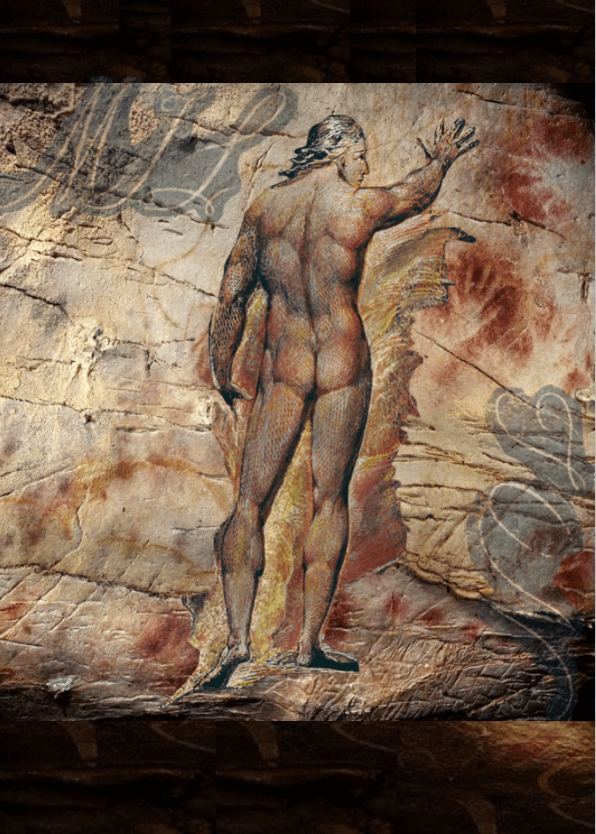

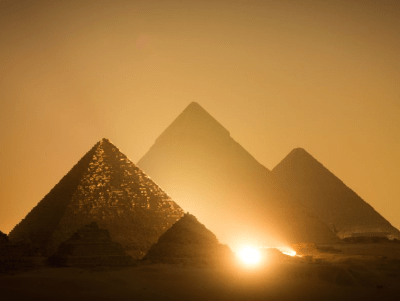 In considering the relationships between Plato, shamanism and ancient Egypt, I am going to be questioning some deep-seated assumptions held both within Egyptology and in the history of ideas, which also extend to our current understanding of the western esoteric tradition. I believe these assumptions need to be questioned because the relationships of Plato, shamanism and ancient Egypt to each other are far more intimate and profound than one might at first suppose. By understanding the nature of these relationships, it may become possible to gain further insight not only into Platonism but also into that deep current of thought and spiritual practice known as the Hermetic tradition.
 My work has been based on the theory put forward by McGilchrist in
 thehumandivinedotorg