Welcome to GOLGONOOZA! Launch of new William Blake Substack site! 

Exploring William Blake in the 21st Century
Screenshot

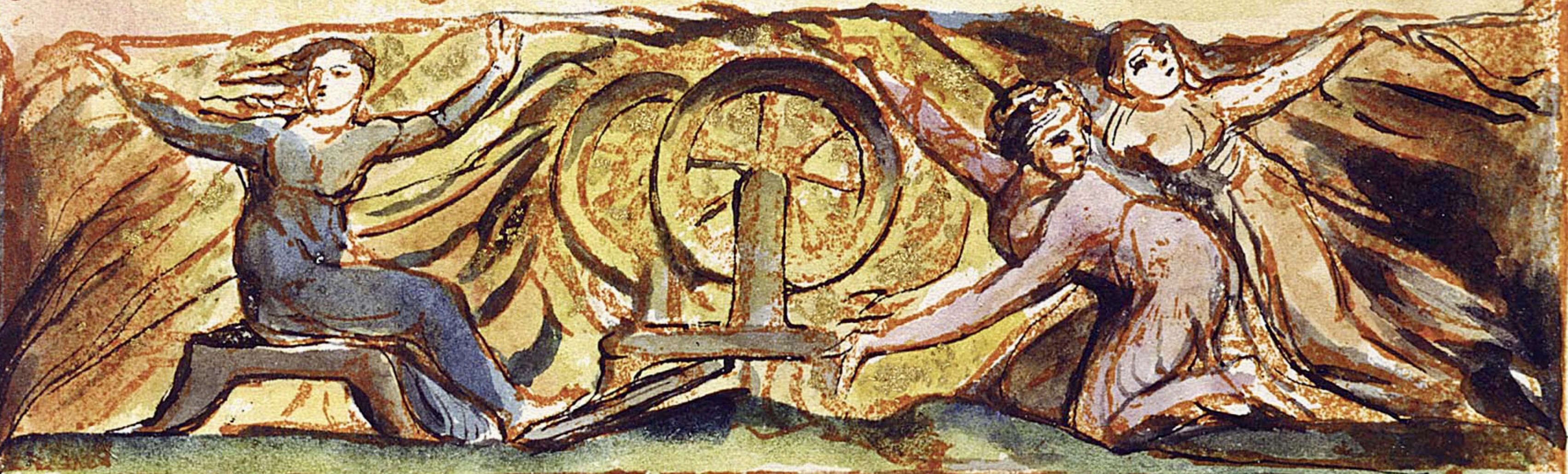
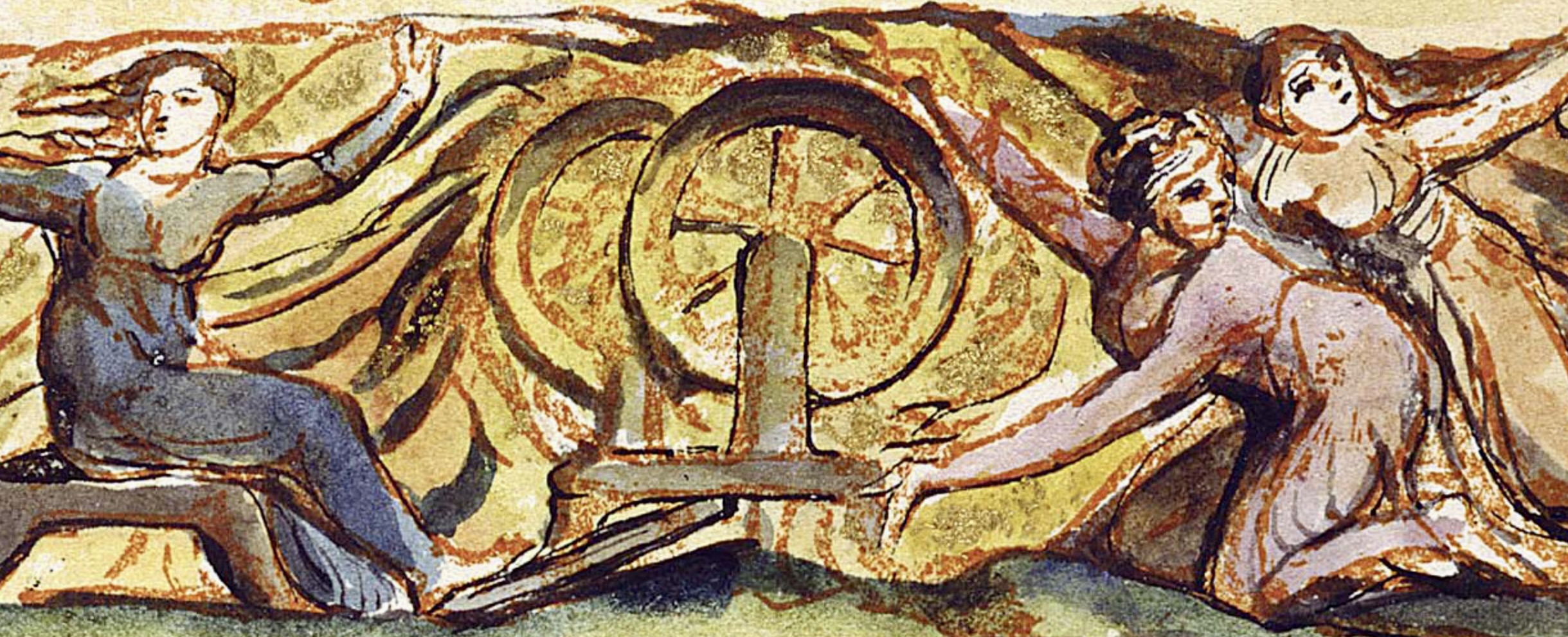
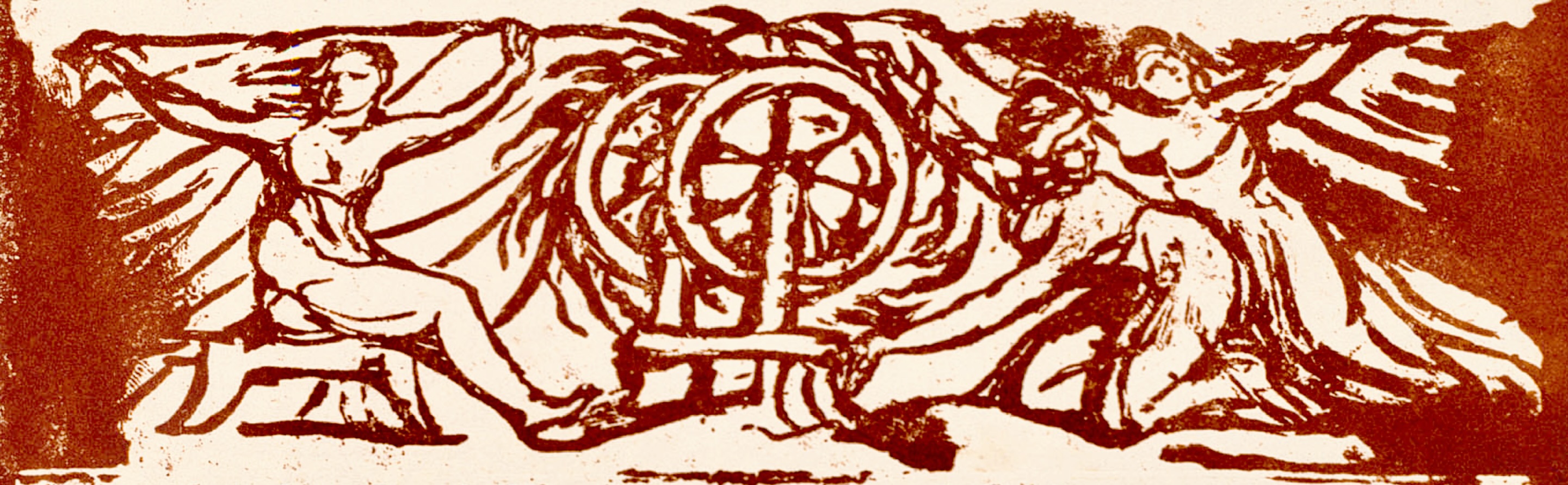
The Daughters of Los and Enitharmon in the Looms of Golgonooza – William Blake, Jerusalem

Screen Shot 2021-05-10 at 10.39.26

Coming Soon! 

Dear Golgonooza subscriber,

Exciting news! I wanted to let you all know first that I will shortly be opening a new Blakean platform, to continue and extend the discussions that have appeared on this site over the last nine years, and develop the project in hopefully new and exciting ways.

The new platform on Substack will allow a much greater interaction and communication than is possible on the current WordPress site, with opportunities to chat and respond directly, leave comments and suggestions, participate in community treads and podcasts, contribute pieces and ideas, and therefore make this a much more genuinely interactive and embodied domain.

There will continue to be regular in-depth explorations of Blake’s work and its relevance to all aspects of contemporary life and current discussions – to the worlds of neuroscience, art, philosophy, politics, science, music, technology and wider cultural life. In addition, there will be new features such as regular updates, news, podcasts, and information. There’s a lot happening in the world of Blake right now, and it’d be great to explore it together!

All existing Golgonooza followers will be automatically transferred to the new site, so you don’t have to do anything, and there will be additional options and possibilities for interaction and involvement there as well. But I wanted to let you know, first of all, of this exciting new development, and to take this opportunity to thank you for all of your support, emails, comments, and encouragement over the last few years, which has been amazing, and has in fact kept it going. I had no idea when it started where this page might go, or where it might lead, and have found the evolving discussions and level of interest in it both moving and constantly inspiring and surprising. And I’m hoping this next stage of the project will bring even more conversations, and surprises! …

You’ll be receiving the first post from the new site in a few days. In the meantime, if you have any questions please just let me know – otherwise hope to see you on the new site!

Thank you again for all your support.

Rod Tweedy
Screen Shot 2021-05-10 at 10.39.26

Screen Shot 2021-05-10 at 10.39.26

Read More

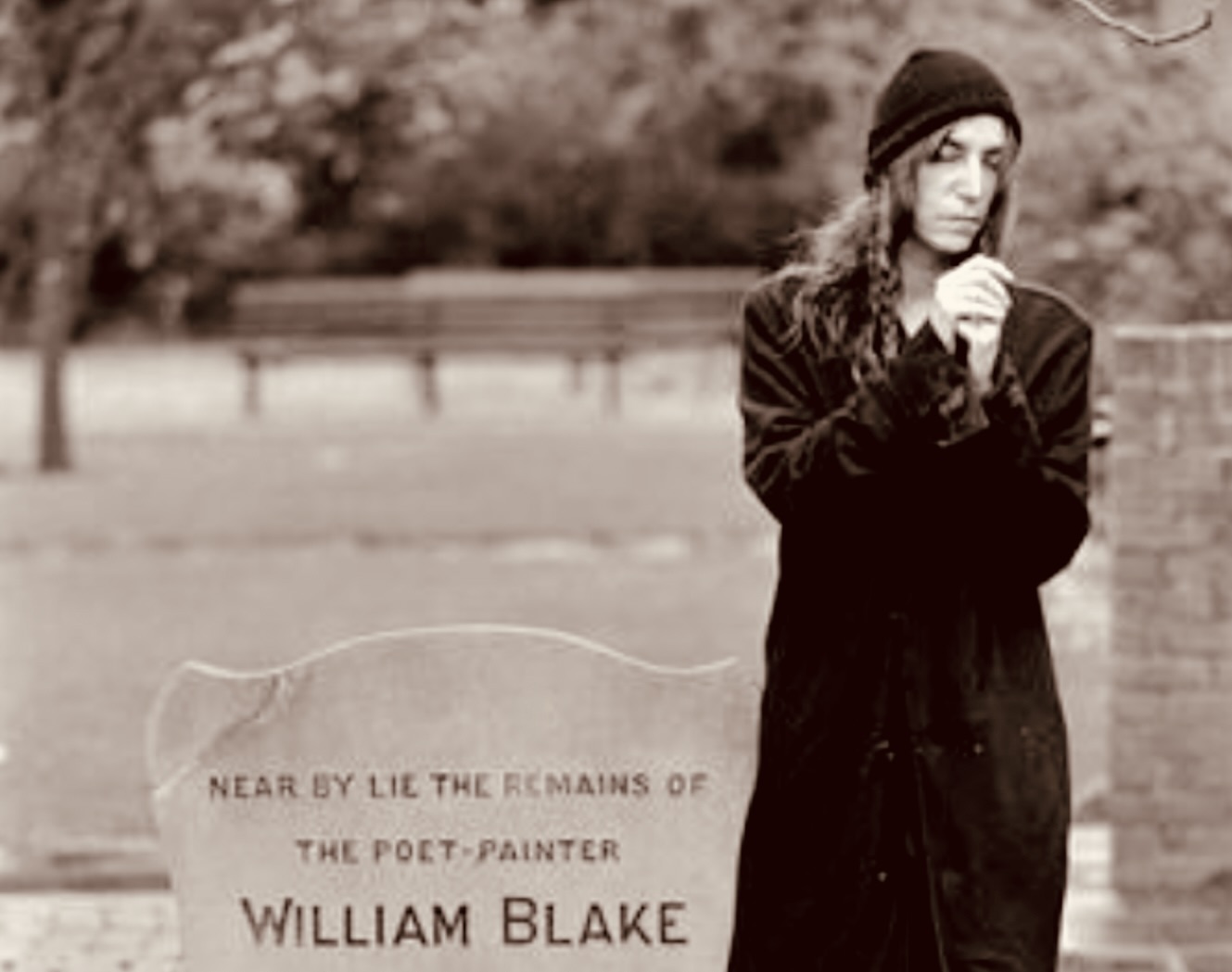
William Blake and Me, by Patti Smith

Embrace what you Fear: Being with Blake

Screen Shot 2021-05-10 at 10.39.26

My Introduction to Blake

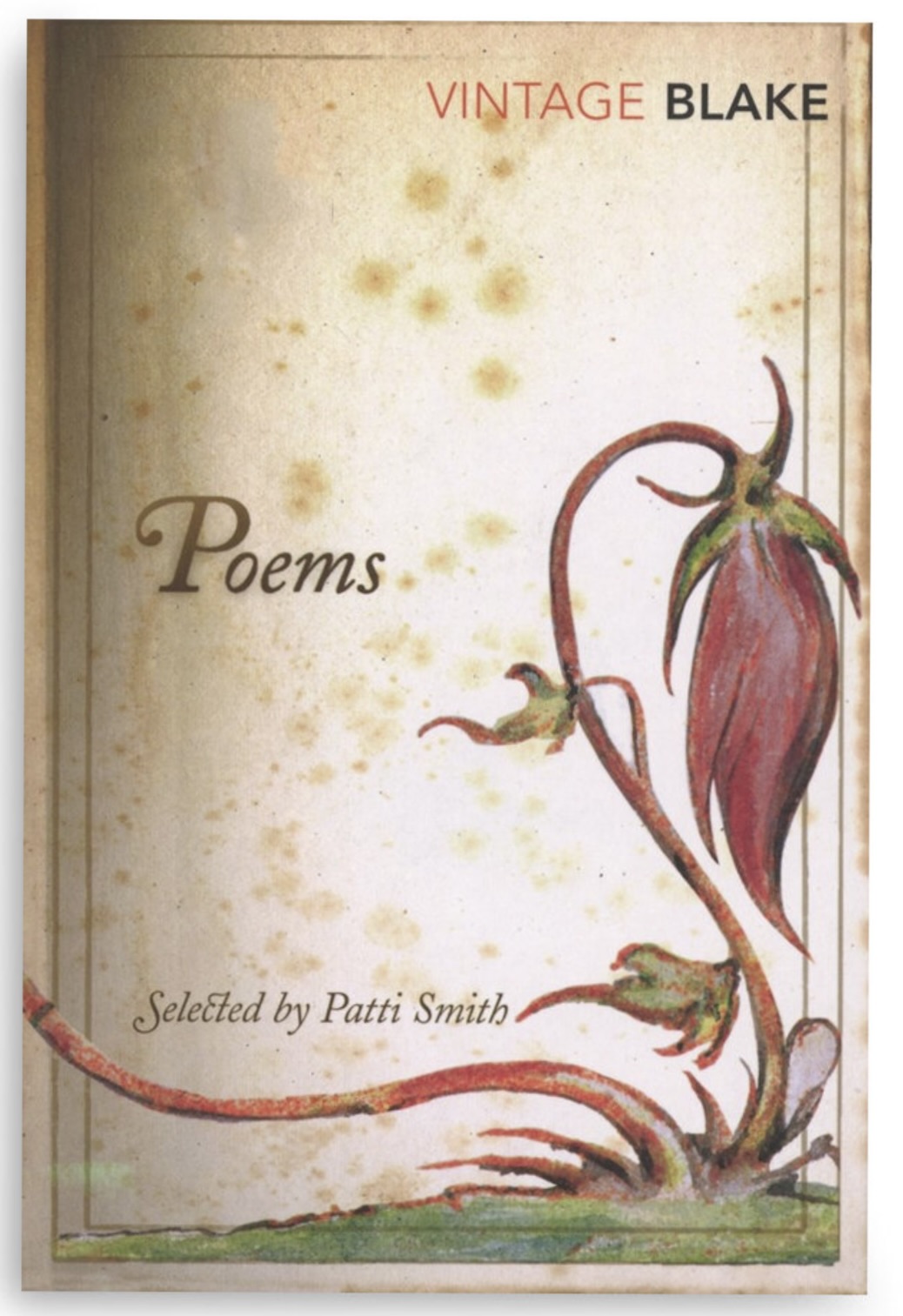
“I can’t imagine my childhood without him. His poems were my companions, my friends. I had pneumonia, I contracted TB, scarlet fever, every childhood disease. And my two favourite books were William Blake’s Songs of Innocence and Experience, and the children’s poems of Robert Louis Stevenson.” In 2007, to celebrate the 250th anniversary of Blake’s birth, Smith edited a selection of his verses simply titled Poems — “a bit of Blake, designed as a bedside companion or to accompany a walk in the countryside, to sit beneath a shady tree and discover a portal into his visionary and musical experience.”

My mother gave me Blake. In a church bazaar she found Songs of Innocence, a lovely 1927 edition faithful to the original. I spent long hours deciphering the calligraphy and contemplating the illustrations entwined with the text. I was fascinated by the possibility that one creates both word and image as did Blake, with copperplate, linen and rag, walnut oils, a simple pencil.

My father helped me comprehend this childless man who seemed to me the ultimate friend of children, who bemoaned their fate as chimney sweeps, labourers in the mills, berating the exploitation of their innocence and beauty.

Through my life I have returned to him.

When Allen Ginsberg lay dying, I was among those who sat vigil by his bedside. I wandered into his library and randomly chose a book, a volume of Blake in blood-red binding. Each poem was deeply annotated in Allen’s hand, just as Blake had annotated Milton. I could imagine these prolific, complex men discoursing; the angels, mute, admiring.

William Blake felt that all men possessed visionary power. He cited from Numbers 11:29: “Would to God that all the Lord’s people were prophets’. He did not jealously guard his vision; he shared it through his work and called upon us to animate the creative spirit within us.

Read More

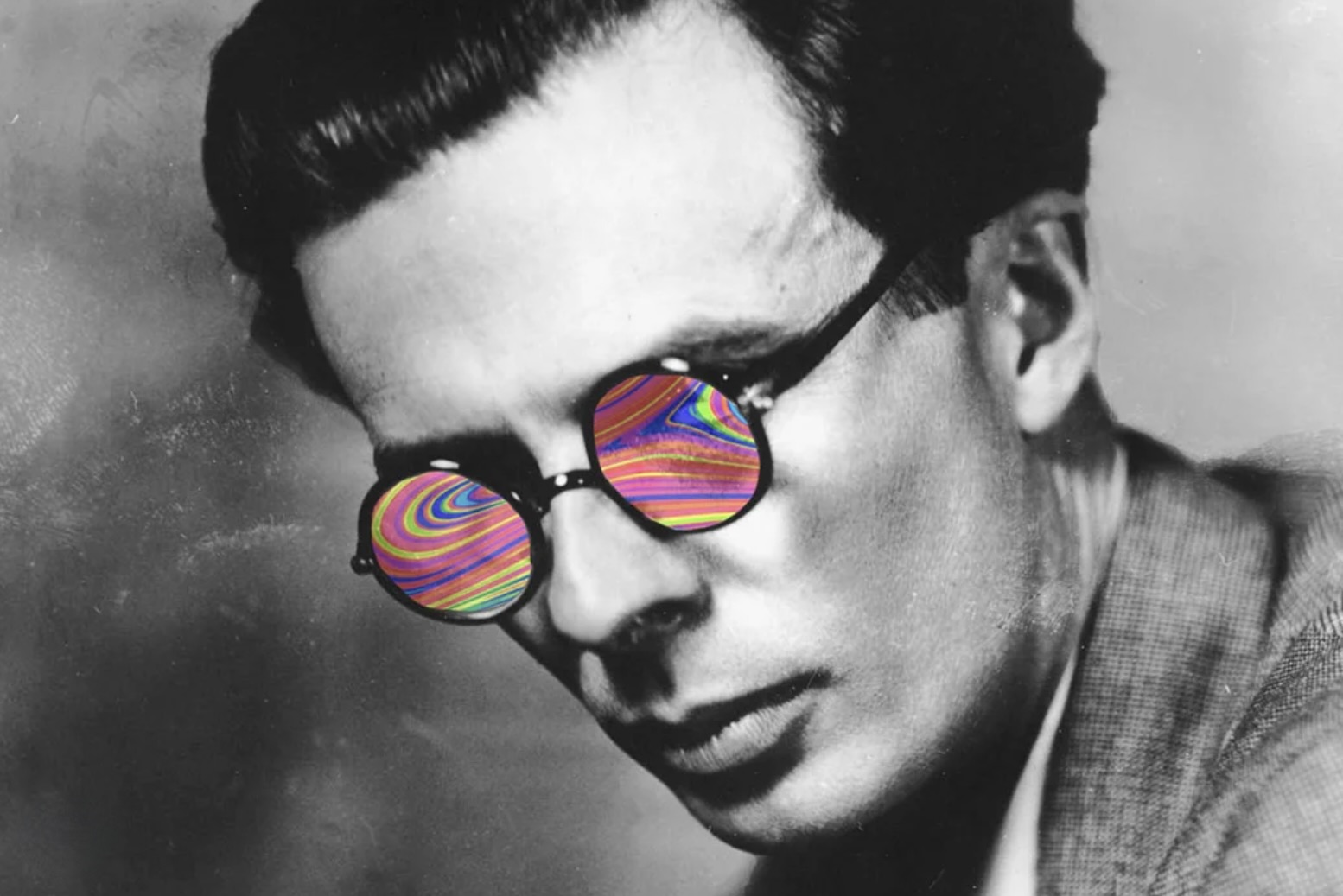
A BLAKE NEW WORLD: The place of Sense Perception and Imagination in William Blake and Aldous Huxley

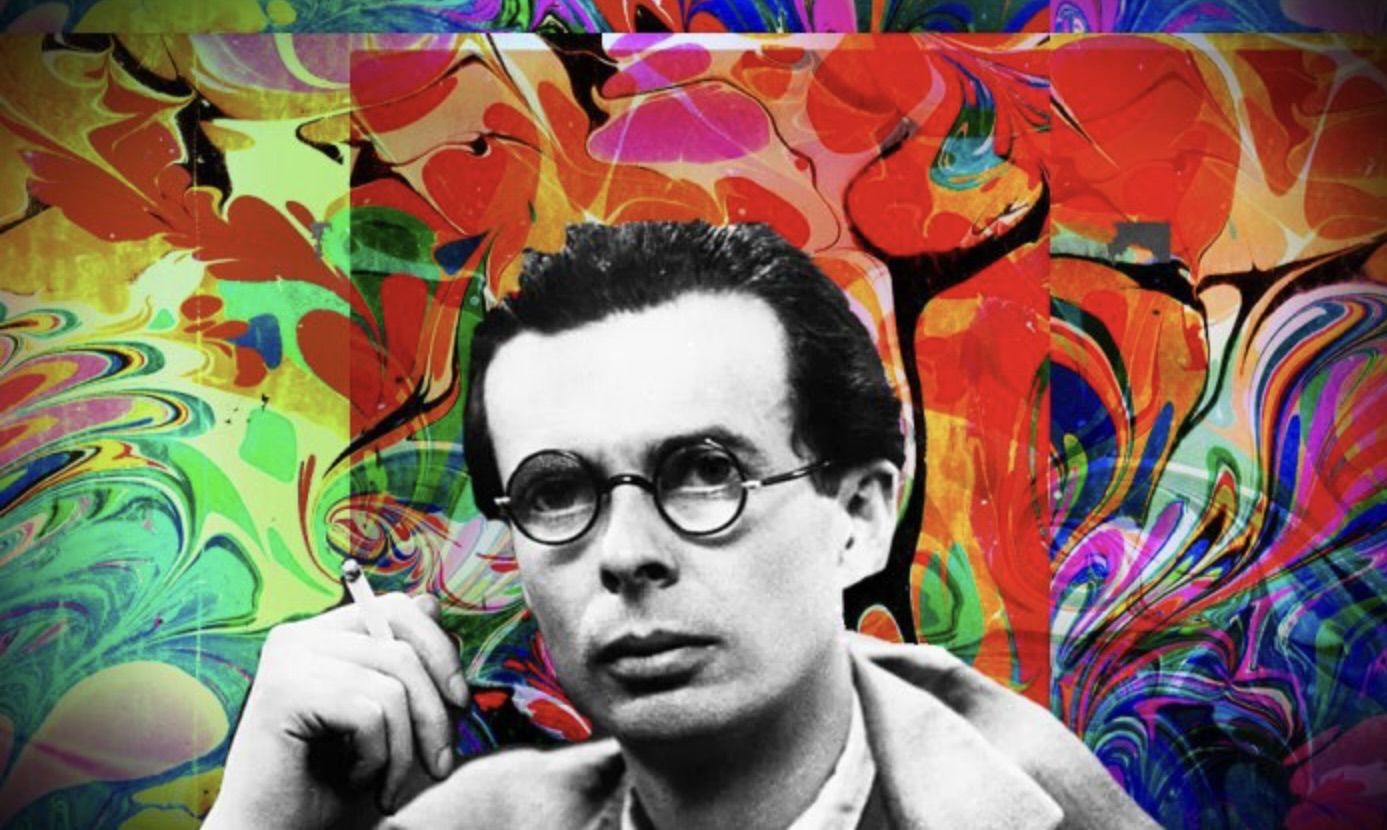
Aldous Huxley and the Doors of Perceiving

Screen Shot 2021-05-10 at 10.39.26

Introduction: Opening the Flower of Mescaline

His interest piqued by psychological research on the drug, in 1953 Aldous Huxley swallowed four-tenths of a gram of mescaline with the hope that his experience would lead to a better understanding of the mind’s role in human perception.

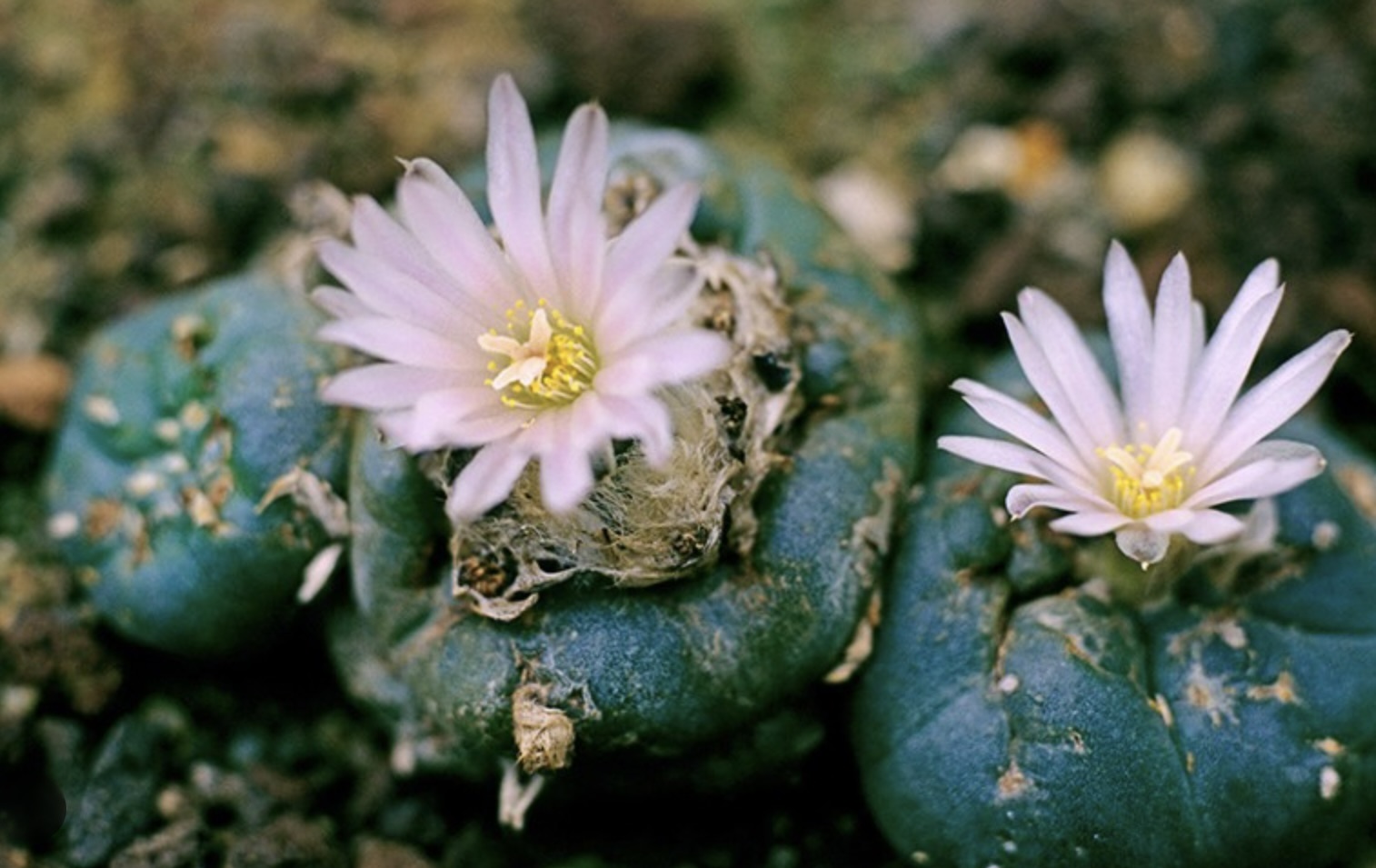
Mescaline is a relatively innocuous hallucinogen found in several species of cacti, the most well-known being Peyote, a small plant that many of the native peoples of the American Southwest and Mexico respect as a divine gift. Western science has approached the drug’s effects more pragmatically, studying the chemical and psychological changes that accompany mescaline intoxication, but for the more personally-driven experimenter it has not lost its philosophical allure.

Heaven in a wild flower: Mescaline is a naturally occurring psychedelic that comes from the Mexican peyote cactus (Lophohora williamsii)

“This is how one ought to see, how things really are” – Aldous Huxley

Screen Shot 2021-05-10 at 10.39.26

Huxley approached his experiment conscious of both the scientific and philosophical issues surrounding the alteration of consciousness, and recorded his analysis of the experience in two short books, The Doors of Perception and Heaven and Hell. A discerning glance at the titles of these two works suggests a direct relationship with Blake’s The Marriage of Heaven and Hell, but the degree to which Blakean concepts actually form the foundation for Huxley’s reflections has not yet been thoroughly examined.

Read More

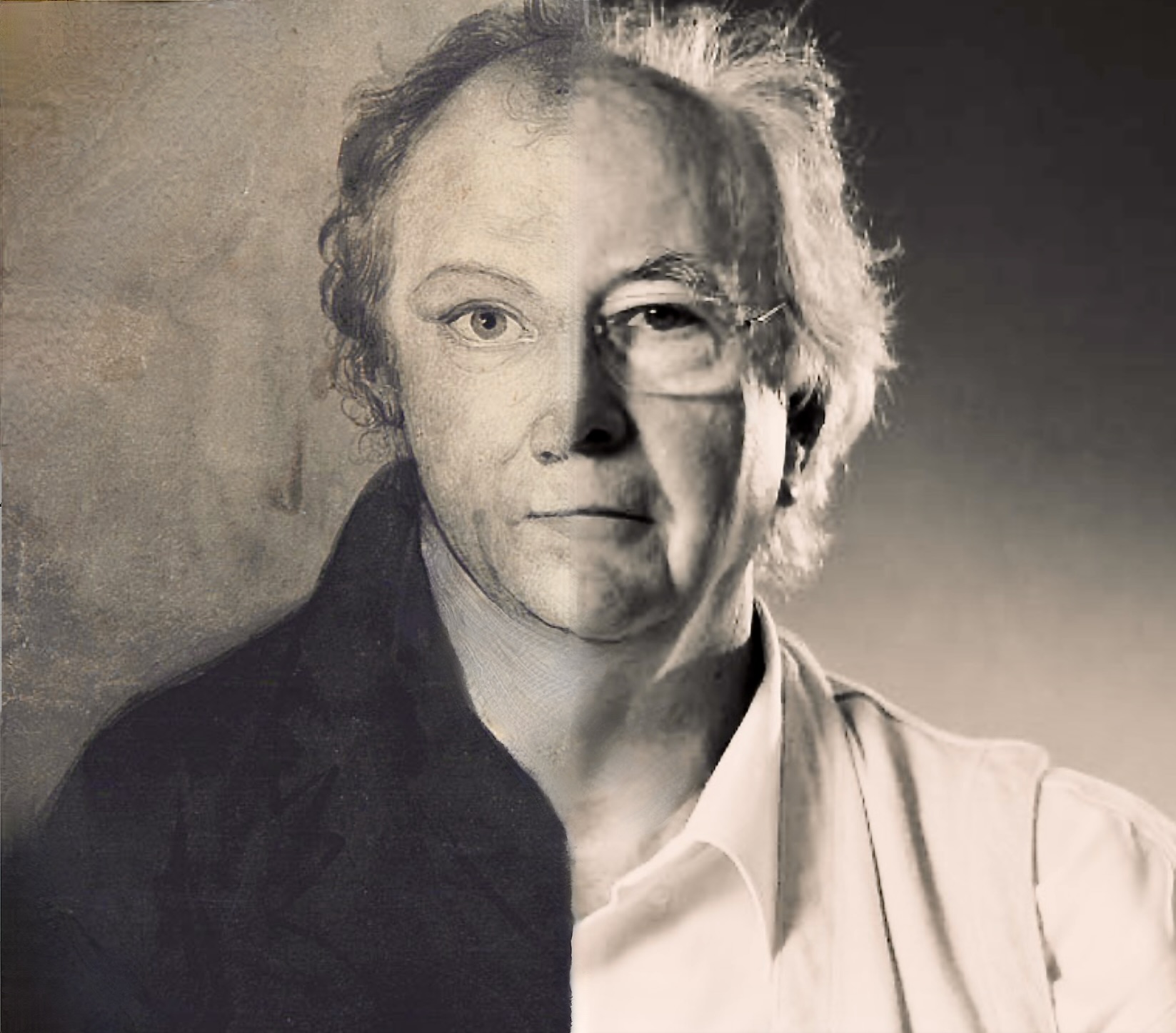
The Magic of William Blake, by Philip Pullman

Philip Pullman reflects on how Blake’s poetry has influenced and intoxicated him for more than 50 years

Screen Shot 2021-05-10 at 10.39.26

Introduction: Unlocking the doors of perception

Sometimes we find a poet, or a painter, or a musician who functions like a key that unlocks a part of ourselves we never knew was there. The experience is not like learning to appreciate something that we once found difficult or rebarbative, as we might conscientiously try to appreciate the worth of The Faerie Queene and decide that yes, on balance, it is full of interesting and admirable things. It’s a more visceral, physical sensation than that, and it comes most powerfully when we’re young. Something awakes that was asleep, doors open that were closed, lights come on in all the windows of a palace inside us, the existence of which we never suspected.

Read More

Divine Imagination: Correlations Between the Kabbalah and the Works of William Blake, by Mikell Waters Brown

Screen Shot 2021-05-10 at 10.39.26

Introduction: Adam Kadmon

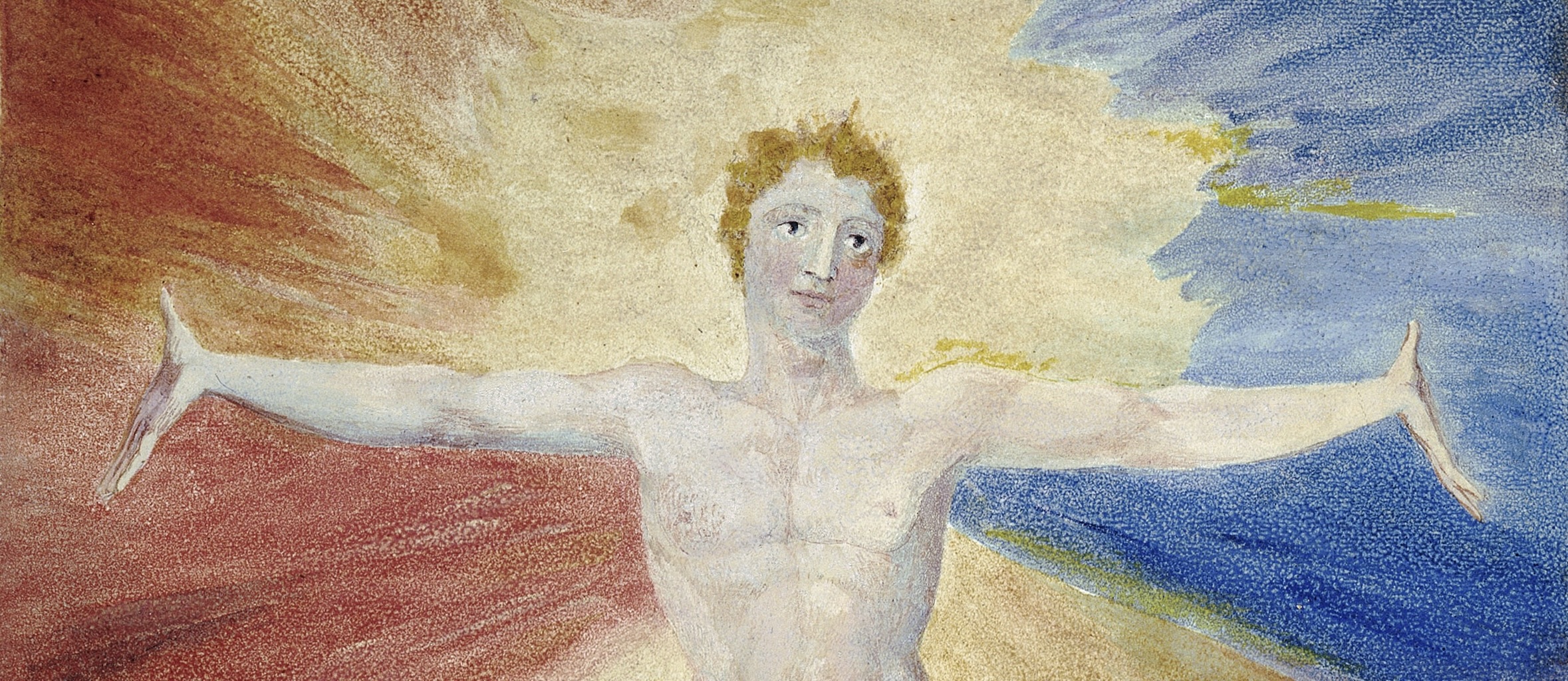
The Dance or Albion, also called Glad Day and Albion Rose, is arguably William Blake’s most recognizable image, at least in terms or his pictorial output. It is a potent and joyous evocation of spiritual ascendancy and as such it provides an excellent starting place for our examination of Blake’s visionary and often obscure iconography.

Read More